
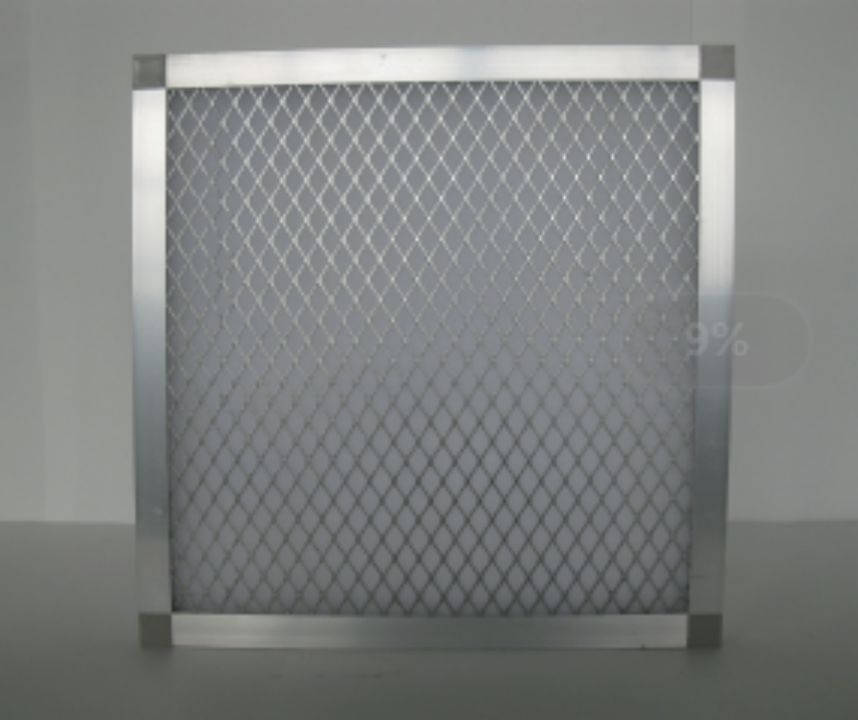
معدات الترشيح وتدفق الهواء refers to engineered systems designed to remove particulates, contaminants, and airborne pollutants, while also controlling and distributing air movement within controlled environments, such as industrial facilities, hospitals, and HVAC systems.
According to the 2024 edition of the ASHRAE Handbook: HVAC Systems and Equipment and the ISO 16890 air filter classification standards, these systems are essential for maintaining indoor air quality (IAQ), protecting mechanical equipment, and ensuring compliance with environmental and occupational health regulations. Furthermore, the World Health Organization (WHO, Air Quality Guidelines, 2021) emphasises that effective filtration and controlled airflow are critical in reducing exposure to PM2.5 and airborne pathogens in residential and industrial settings.
Introduction: Understanding Filtration and Airflow Equipment in Modern Engineering Systems
Filtration and airflow equipment is a fundamental category of mechanical and environmental control systems that are used to regulate air purity, pressure, and temperature stability, as well as contaminant removal, across a wide range of applications. While these systems are commonly associated with HVAC installations, they also play a critical role in the pharmaceutical industry, semiconductor manufacturing, automotive engineering, cleanroom technology, and energy systems.
At its core, filtration involves separating unwanted particles, aerosols, or gases from an air stream using physical or electrostatic barriers. Airflow equipment, on the other hand, comprises mechanical devices such as fans, blowers, air handling units (AHUs), and ducting systems that efficiently move and distribute air within a controlled environment.
Together, these systems ensure that air is clean, properly circulated, balanced, and pressurised according to operational requirements. Without them, modern industrial environments would struggle to meet safety standards, energy efficiency goals, and production quality requirements.
Core Meaning of Filtration and Airflow Equipment
To fully understand the concept, it is important to break it down into its two main parts.
-
Filtration equipment definition
Filtration equipment includes devices designed to remove unwanted substances from air streams. These substances may include:
- Dust particles (PM10, PM2.5)
- Microorganisms (bacteria, viruses)
- Chemical vapours and odours
- Industrial pollutants (oil mist, welding fumes)
Common filtration technologies include:
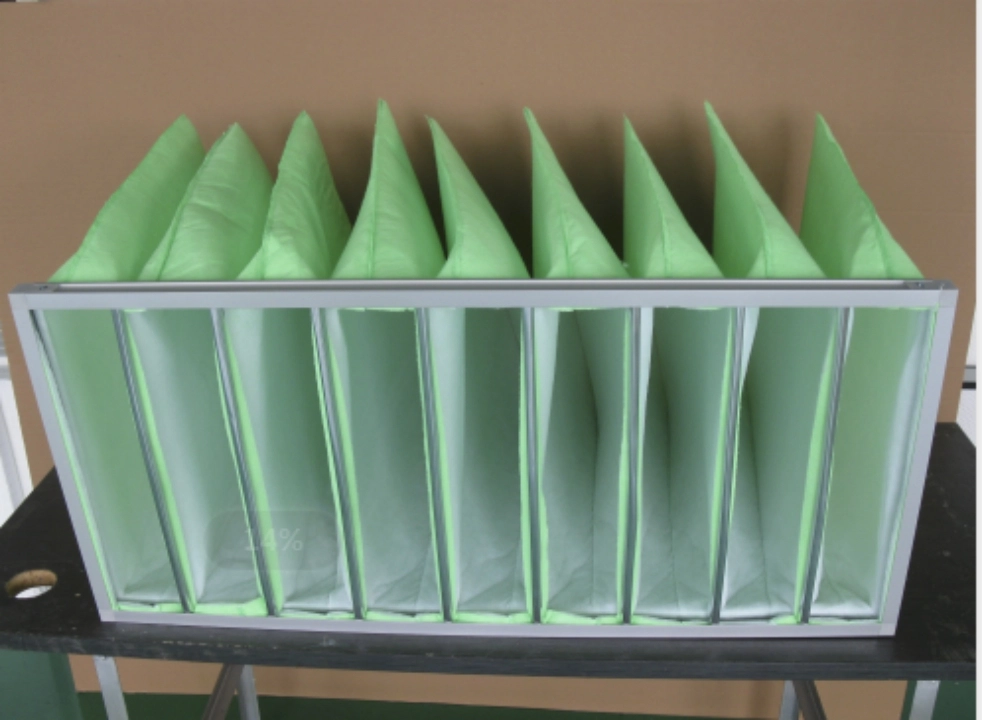
- Mechanical filters (fibreglass and pleated filters);
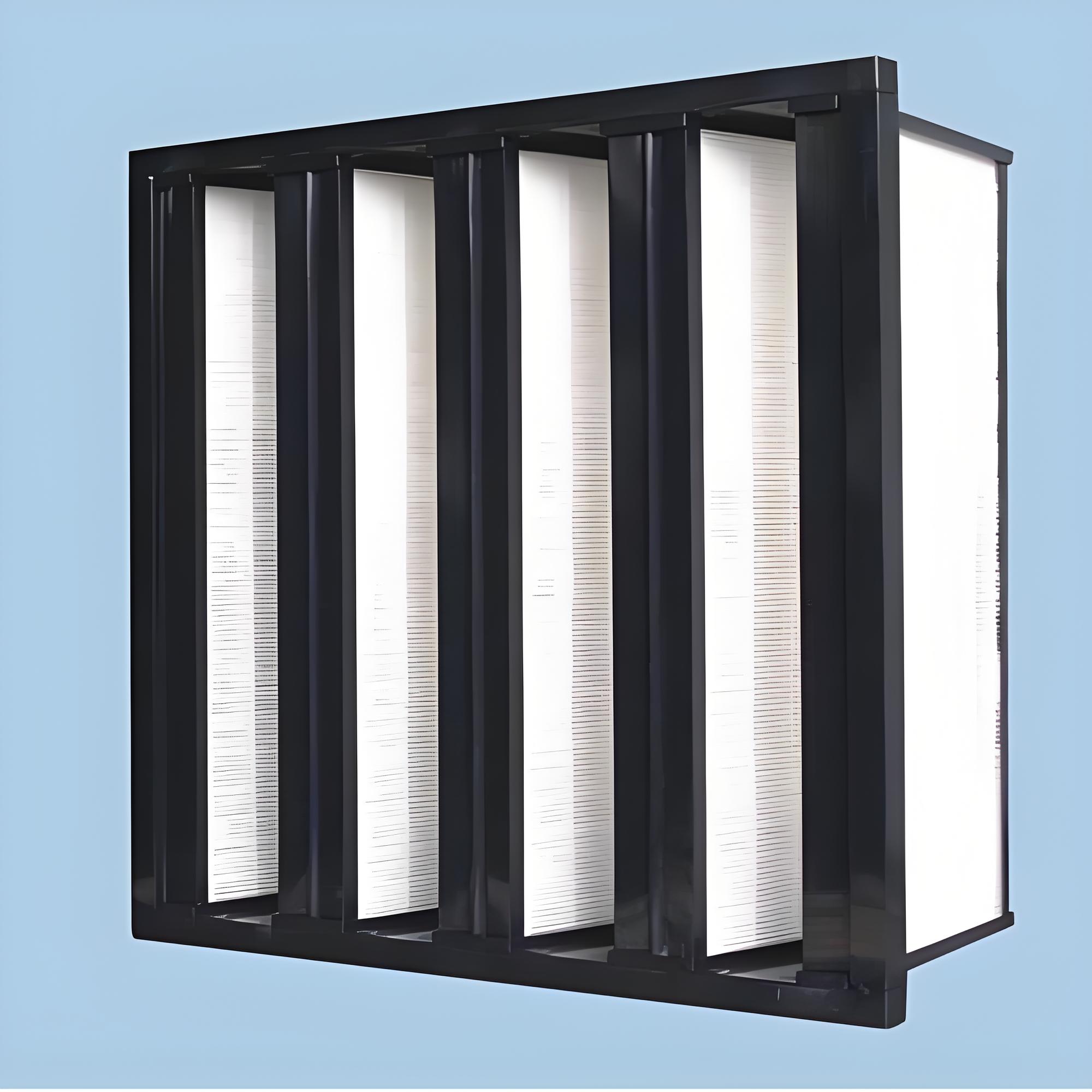
- HEPA (high-efficiency particulate air) filters;
- Activated carbon filters;
- Electrostatic precipitators.
-
Airflow equipment definition
Airflow equipment refers to mechanical systems that control air movement. These include:
- Axial fans
- Centrifugal blowers
- Air handling units (AHUs)
- Ventilation duct systems
- Dampers and diffusers
Their primary role is to ensure consistent airflow rates, pressure balance, and the uniform distribution of conditioned air throughout a space.
Functional Relationship Between Filtration and Airflow Systems
Filtration and airflow equipment are interdependent. Filtration cannot function effectively without controlled airflow, and airflow systems cannot maintain air quality without filtration.
In practical HVAC system design:
Air is drawn into the system via fans or blowers, passes through filtration stages, is conditioned (heated or cooled), and is distributed through ducts into occupied spaces.
This integrated approach ensures compliance with standards such as ISO 16890, which classifies filters based on particulate efficiency, and ASHRAE 62.1, which governs ventilation for acceptable indoor air quality.
Types of Filtration Systems
Filtration systems are categorized based on particle size removal efficiency and application environments.
-
Mechanical Filtration
Mechanical filtration works by physically trapping particles in fibrous or mesh materials.
Used in residential HVAC systems
Cost-effective and widely available
Efficiency depends on fiber density
-
HEPA Filtration Systems
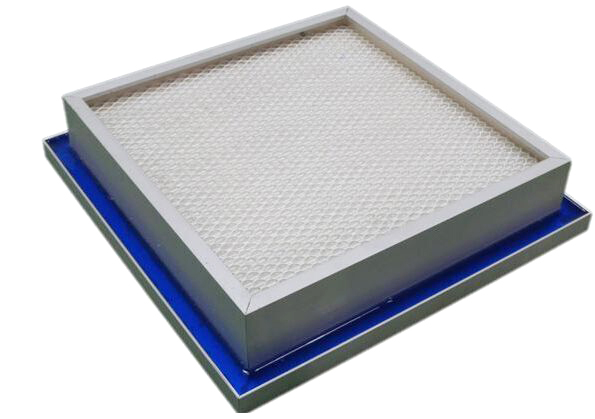
HEPA filters are capable of capturing 99.97% of particles as small as 0.3 microns.
Used in hospitals, laboratories, and cleanrooms
Critical for infection control environments
Often required in ISO Class 5–8 cleanrooms
-
Activated Carbon Filtration
Activated carbon filters remove gases and odors through adsorption.
Effective for VOCs (volatile organic compounds)
Used in chemical plants and air purification systems
Often combined with particulate filters
-
Electrostatic Precipitators
These systems use electrical charges to capture airborne particles.
Common in industrial exhaust systems
Low airflow resistance
Requires regular cleaning
Types of Airflow Equipment
Airflow equipment ensures proper circulation and pressure control.
-
Fans and Blowers
Fans and blowers are the primary air-moving devices.
Axial fans: high volume, low pressure
Centrifugal fans: high-pressure, industrial applications
-
Air Handling Units (AHUs)
AHUs are central components in HVAC systems.
Combine filtration, heating, cooling, and humidification.
Used in commercial buildings and hospitals
-
Ducting Systems
Ducts distribute air throughout a building.
Made of galvanized steel, aluminum, or flexible materials
Designed for minimal pressure loss
-
Dampers and Diffusers
These components regulate airflow direction and volume.
Dampers control flow rates
Diffusers ensure uniform air distribution
Key Industrial Applications
Filtration and airflow systems play a critical role in maintaining air quality, process stability, and environmental safety across a wide range of industries. Their function is to control airborne particles, contaminants, fumes, and microorganisms in both controlled and open environments.
-
Healthcare Industry
In healthcare environments, air cleanliness directly impacts patient safety and infection control.
Applications:
- Operating rooms and surgical suites
- Isolation wards
- Pharmaceutical preparation areas
- Laboratory environments
Purpose:
- Reduce airborne pathogens
- Maintain sterile conditions
- Support infection prevention protocols
-
Manufacturing Industry
Industrial manufacturing processes often generate dust, fumes, and chemical vapors.
Applications:
- Welding and metal fabrication
- Chemical processing plants
- Industrial production lines
Purpose:
- Remove airborne particulates and hazardous fumes
- Protect worker health and safety
- Improve equipment lifespan and operational efficiency
-
Food Processing Industry
Hygienic air control is essential to prevent contamination in food production environments.
Applications:
- Food packaging facilities
- Dairy and beverage processing plants
- Meat and seafood processing lines
Purpose:
- Maintain sanitary production conditions
- Prevent microbial contamination
- Comply with food safety regulations
-
Electronics Industry
Electronics manufacturing requires highly controlled environments to prevent microscopic contamination.
Applications:
- Semiconductor fabrication
- Microchip assembly
- Display and PCB production
Purpose:
- Maintain cleanroom standards
- Prevent particle contamination
- Ensure product precision and yield quality
-
Automotive Industry
Air filtration systems are widely used in vehicle manufacturing and finishing processes.
Applications:
- Paint spraying booths
- Assembly lines
- Emission control systems
Purpose:
- Ensure high-quality paint finishes
- Control airborne contaminants in production
- Reduce harmful emissions and improve workplace safety
-
Commercial Buildings
Modern buildings rely heavily on HVAC-integrated filtration systems.
Applications:
- Office buildings
- Shopping malls
- Airports and transportation hubs
- Hotels and public facilities
Purpose:
- Improve indoor air quality (IAQ)
- Enhance occupant comfort
- Reduce allergens, dust, and pollutants
Table 1: Comparison of Filtration Technologies
| Filtration Type | Efficiency Level | Primary Use Case | Advantages | Limitations |
| Mechanical Filter | Medium | Residential HVAC | Low cost, easy maintenance | Limited fine particle capture |
| HEPA Filter | Very High | Hospitals, labs | Extremely high efficiency | Higher pressure drop |
| Activated Carbon | Gas removal | Chemical environments | Removes odors/VOCs | No particulate filtration |
| Electrostatic | Medium–High | Industrial exhaust | Low resistance | Requires maintenance |
Table 2: Airflow Equipment Comparison
| Equipment Type | الوظيفة | Application | Energy Efficiency | Maintenance Level |
| Axial Fan | Moves large air volumes | Ventilation systems | High | Low |
| Centrifugal Blower | High-pressure airflow | Industrial HVAC | Medium | Medium |
| AHU | Air processing + distribution | Commercial buildings | Medium–High | High |
| Duct System | Air transport | All HVAC systems | Depends on design | Low |
Importance of Filtration and Airflow in Indoor Air Quality (IAQ)
Indoor air quality is directly influenced by filtration efficiency and airflow design. Poorly designed systems can lead to:
- Accumulation of airborne pollutants
- Uneven temperature distribution
- Increased energy consumption
- Health risks such as respiratory issues
According to WHO guidelines, maintaining PM2.5 concentrations below safe thresholds significantly reduces longterm health risks.
Design Considerations for Filtration and Airflow Systems
When designing these systems, engineers consider:
- Air change rate per hour (ACH)
- Pressure drop across filters
- Energy efficiency of fans and motors
- Contaminant load in the environment
- Space constraints and duct layout
Proper system design ensures both performance and operational cost efficiency.
Table 3: Key Standards and Guidelines
| المعيار | Organization | Purpose |
| ASHRAE 62.1 | ASHRAE | Ventilation for acceptable IAQ |
| ISO 16890 | ISO | Air filter classification |
| EN 1822 | European Standard | HEPA filter testing |
| WHO Air Quality Guidelines | WHO | Health-based pollutant limits |
Maintenance and Operational Best Practices
Regular maintenance ensures longterm system performance:
- Replace filters based on pressure drop readings
- Clean duct systems periodically
- Inspect fan motors and bearings
- Monitor airflow velocity and balance
- Use sensors for predictive maintenance
Neglecting maintenance leads to reduced efficiency and increased operational costs.
Energy Efficiency and Sustainability Considerations
Modern filtration and airflow systems are increasingly designed for sustainability:
- Low-energy EC fans
- Smart airflow control systems
- Recyclable filter materials
- Demand-controlled ventilation (DCV)
These technologies help reduce carbon footprints in commercial and industrial buildings.
Emerging Trends in Filtration and Airflow Equipment
The industry is evolving rapidly due to technological advancements:
- IoT-based smart HVAC systems
- A driven predictive airflow optimization
- Ultralow particulate air (ULPA) filtration
- Nanofiber filter media
- Integration with building management systems (BMS)
These innovations improve efficiency, monitoring, and automation.
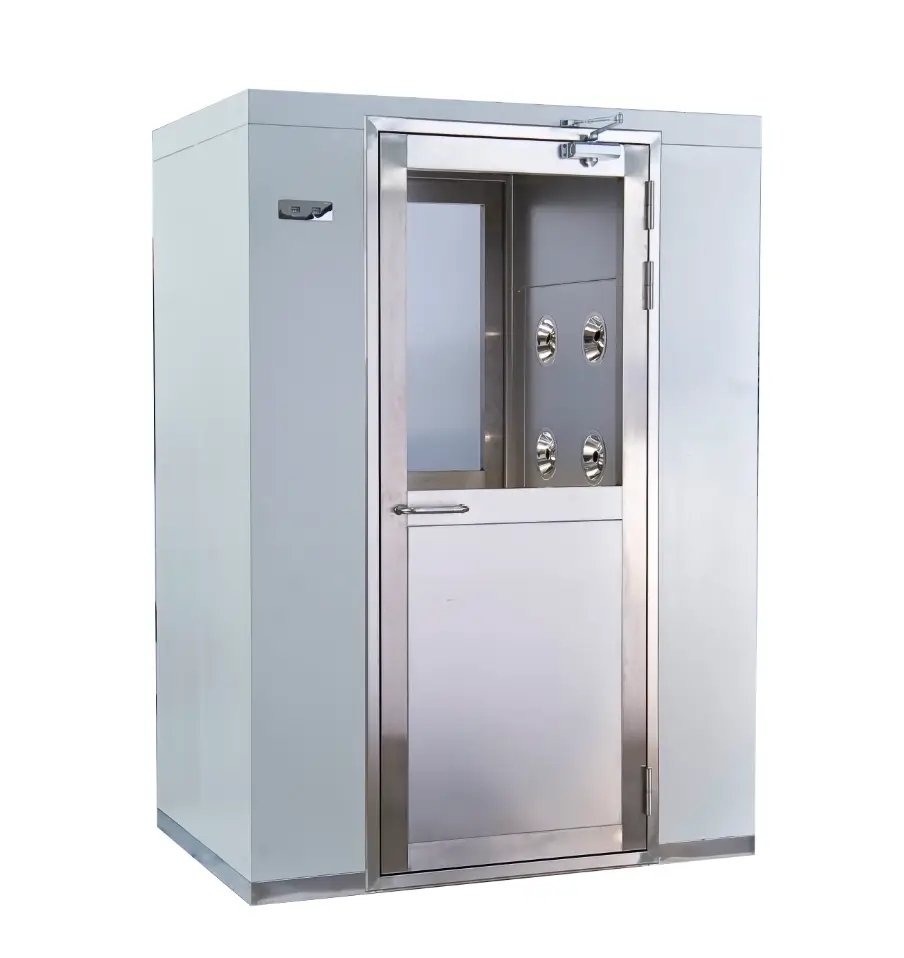
Filtration and Airflow Equipment in Cleanroom Technology
Cleanrooms require extremely controlled environments. Filtration and airflow systems ensure:
- Laminar airflow patterns
- Particle-free environments
- Positive pressure control
- ISOclass compliance
Industries such as semiconductor manufacturing rely heavily on these systems.
Common Problems and Troubleshooting
Typical issues include:
- Clogged filters causing airflow restriction
- Fan imbalance leading to vibration
- Duct leakage reduces efficiency
- Incorrect filter selection
Proper diagnostics involve airflow measurement and pressure monitoring.
Economic Importance of Filtration and Airflow Systems
These systems significantly impact operational costs:
Energy consumption in HVAC systems can account for 40–60% of building energy use
Efficient filtration reduces equipment wear
Proper airflow design lowers maintenance costs
FAQ: Filtration and Airflow Equipment
- What is filtration and airflow equipment?
It refers to systems that clean air by removing contaminants and regulate air movement in HVAC and industrial environments.
- What industries use filtration and airflow systems?
They are used in healthcare, manufacturing, automotive, electronics, food processing, and commercial buildings.
- What is the difference between HEPA and regular filters?
HEPA filters capture extremely fine particles (0.3 microns at 99.97% efficiency), while regular filters capture larger dust particles.
- How often should air filters be replaced?
Typically, every 3–12 months, depending on usage, environment, and pressure drop levels.
- Why is airflow important in HVAC systems?
Airflow ensures even distribution of conditioned air and maintains indoor air quality and thermal comfort.
- What standards regulate air filtration systems?
Key standards include ASHRAE 62.1, ISO 16890, and EN 1822.
Conclusion
Filtration and airflow equipment is essential for modern environmental control systems, ensuring clean air, efficient ventilation, and compliance with regulations across industries. As global air quality standards tighten and energy efficiency becomes a central engineering priority, these systems will remain critical to industrial and commercial infrastructure.
Advancements in smart HVAC technologies, AI-driven airflow optimisation, and high-efficiency filtration media are shaping the next generation of air management systems, making them more sustainable, intelligent, and effective than ever.