
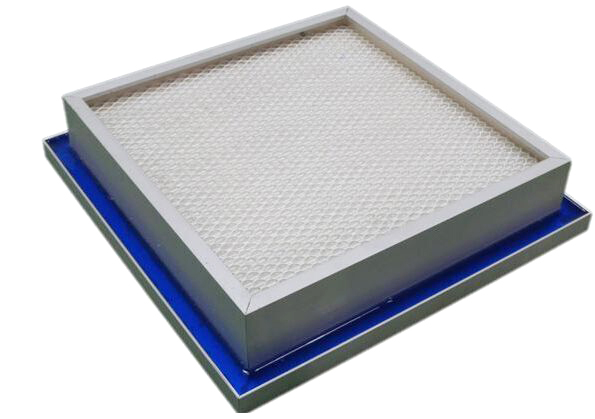
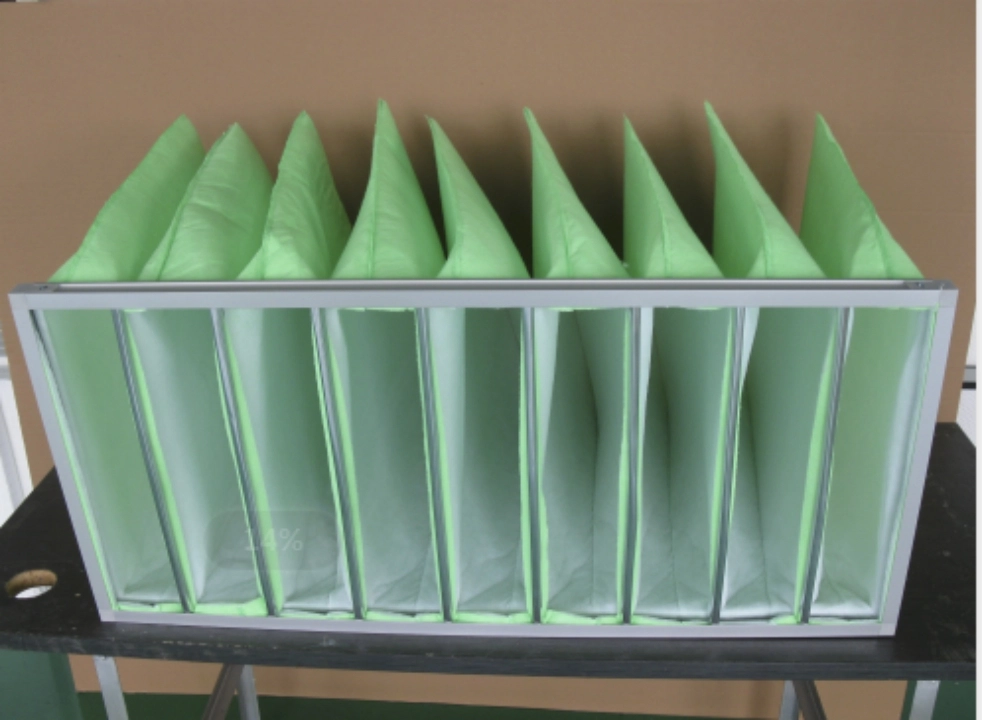
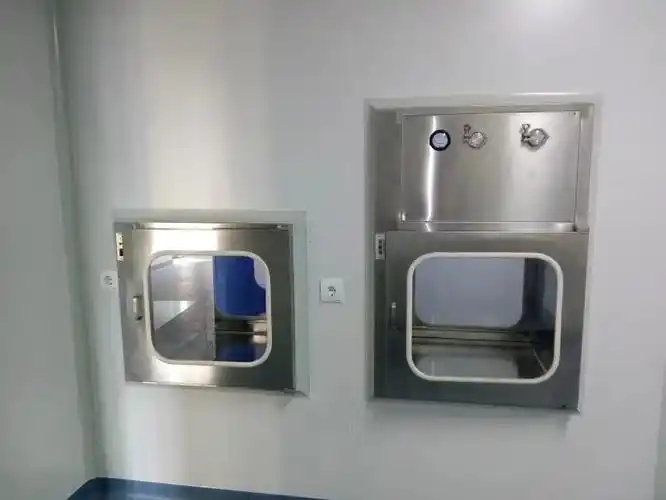
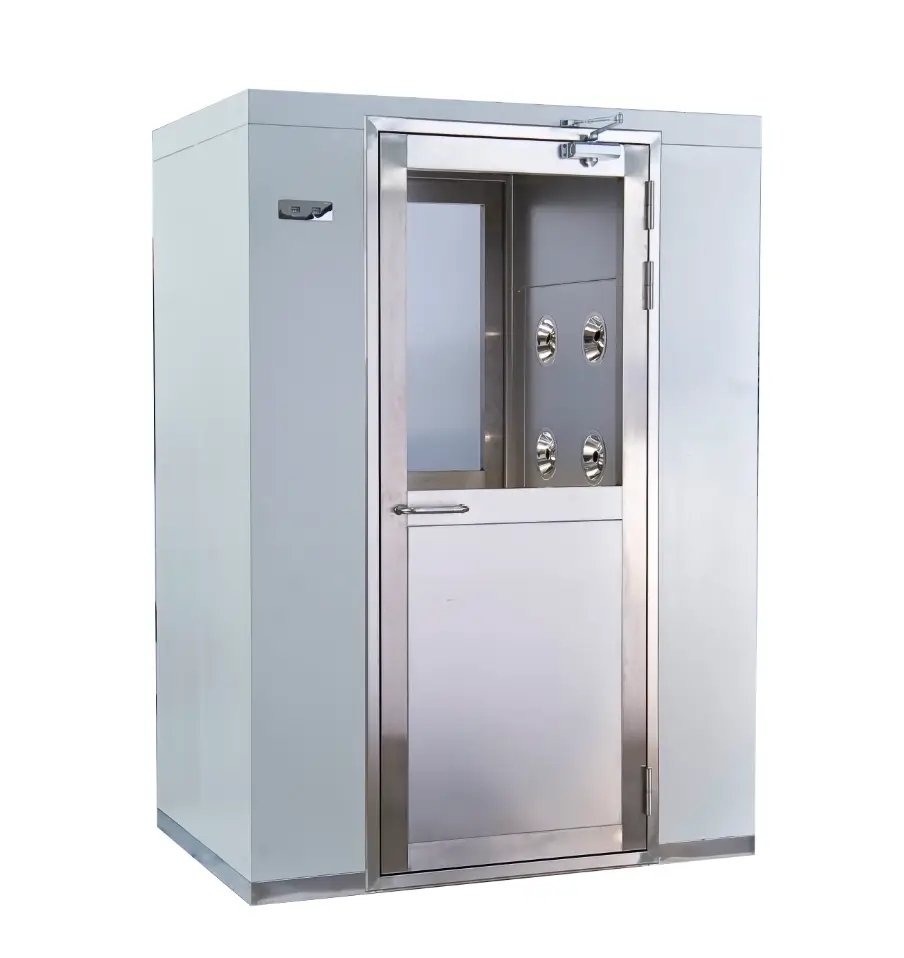
A система чистых помещений is an engineered environment designed to control airborne particles, microorganisms, temperature, humidity, and pressure through advanced air filtration and airflow management technologies. The core of a cleanroom air filtration system relies on HEPA or ULPA filters to continuously remove contaminants and maintain cleanliness levels in accordance with ISO 14644-1:2015 ‘Cleanrooms and associated controlled environments’ and the principles described in the ASHRAE Handbook of HVAC Applications. These standards emphasise that effective cleanroom performance depends on proper filtration efficiency, airflow design, pressure control, and continuous environmental monitoring.
Cleanroom System for Air Filtration
The modern manufacturing and research industries are increasingly dependent on environments where airborne contamination can be precisely controlled. Even microscopic particles can affect product quality, safety, and process reliability in areas such as semiconductor production, pharmaceutical manufacturing, biotechnology laboratories, and medical device assembly. This is why companies rely on professionally designed cleanroom systems to maintain controlled air quality.
A cleanroom is much more than just a room equipped with air filters. It is a comprehensive environmental control system incorporating filtration technology, airflow management, pressure regulation, temperature control, humidity control, monitoring systems, and specialised construction materials. All these elements work together to reduce contamination and maintain stable operating conditions.
Among these elements, air filtration is one of the most critical functions. Since airborne particles are a primary source of contamination, a well-designed filtration system removes particles from the air and supplies clean air back into the working area. The efficiency of this process directly affects cleanroom classification, operational reliability, and compliance with industry standards.
This article provides a detailed explanation of how cleanroom air filtration systems work, their main components, filtration technologies, and the key considerations involved in designing or selecting a cleanroom solution.
What Is a Cleanroom System?
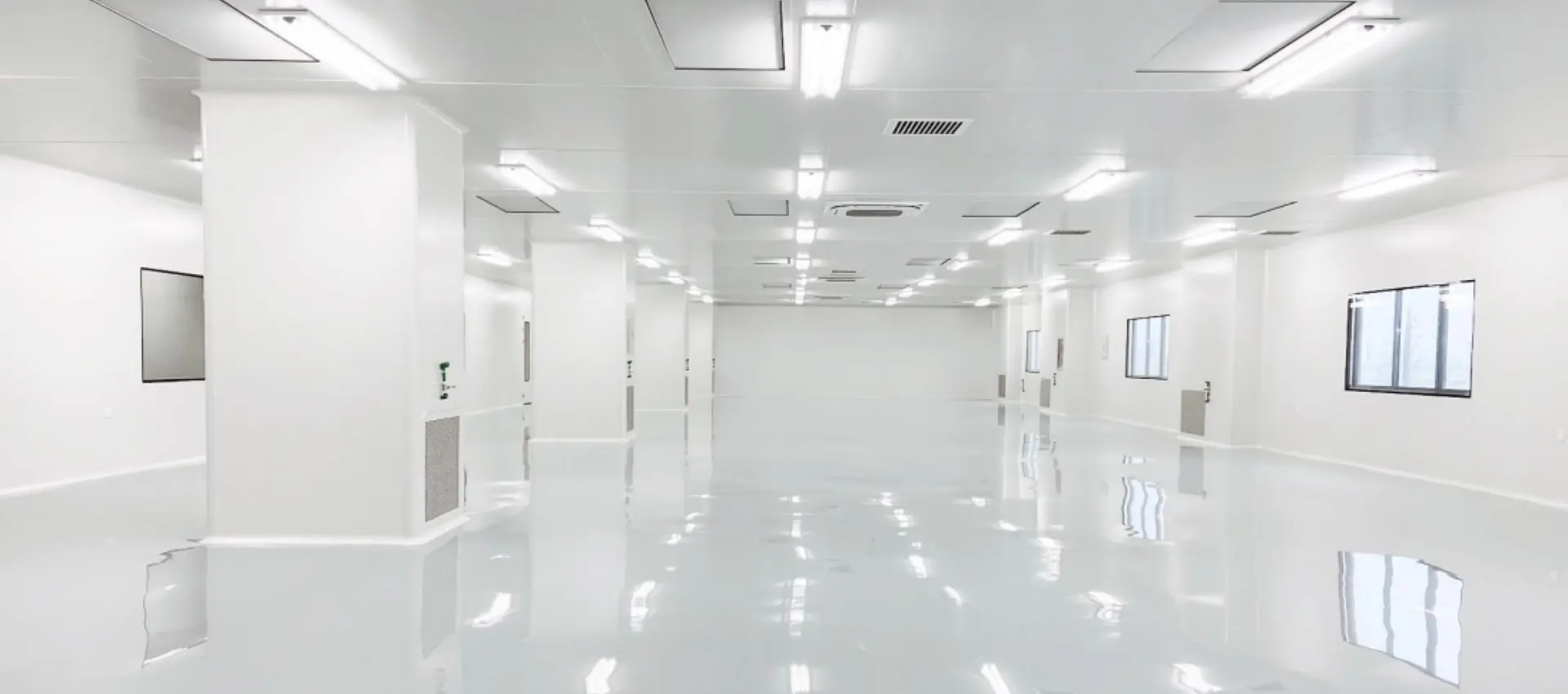
A cleanroom is a controlled environment specifically designed to limit airborne particles and maintain precise environmental conditions. Unlike ordinary indoor spaces, cleanrooms control contamination levels by using a combination of filtered air supply, airflow patterns, air pressure differences, and strict operational procedures.
Cleanrooms are classified according to the concentration of airborne particles within a defined volume of air, as defined in ISO 14644-1. Different industries require different cleanliness levels, depending on the sensitivity of their products or processes.
For example:
Semiconductor manufacturing requires extremely low particle levels because even the smallest amount of contamination can damage electronic components.
Pharmaceutical production requires strict control of particles and microorganisms to ensure product safety.
Medical device manufacturing requires controlled environments to minimise contamination risks.
Laboratory facilities require stable air conditions to ensure accurate research results.
Cleanroom systems create controlled environments by replacing contaminated air with filtered air at a carefully managed rate. Depending on the application, cleanrooms may use turbulent or unidirectional airflow systems or specialised containment designs.
Why Air Filtration Is Critical in Cleanroom Systems?
Air filtration is the foundation of cleanroom contamination control. Human activities, equipment operation, material movement, and external air sources constantly introduce particles into controlled environments. Without effective filtration, these contaminants can accumulate and compromise production quality.
A cleanroom filtration system performs several important functions:
-
Removing Airborne Particles
The primary purpose of filtration is to capture particles such as:
- Dust
- Fibers
- Microorganisms
- Aerosols
- Chemical particles
- Manufacturing residues
High-efficiency filters are designed to remove extremely small particles that cannot be eliminated through ordinary ventilation systems.
-
Maintaining Clean Air Circulation
Cleanrooms do not rely on one-time filtration. Instead, they continuously circulate and filter air through a controlled airflow process.
Filtered air enters the cleanroom through supply systems, moves through the working area, captures contaminants, and returns through exhaust or recirculation pathways.
This continuous circulation reduces particle concentration and maintains stable cleanliness levels.
-
Supporting Industry Standards
Different industries follow specific cleanliness requirements. A properly designed cleanroom system ensures compliance with standards such as:
- ISO 14644 cleanroom classifications
- GMP (Good Manufacturing Practice) requirements
- FDA manufacturing guidelines
- Semiconductor industry cleanliness standards
How Does a Cleanroom Air Filtration System Work Step by Step?
A cleanroom air filtration process involves several coordinated stages.
Step 1: Air Intake and Pre-Filtration
The process begins when external or recirculated air enters the HVAC system.
Before reaching high-efficiency filters, the air usually passes through pre-filters. These initial filters capture larger particles such as dust and fibers.
Pre-filtration protects expensive HEPA or ULPA filters by reducing the contamination load and extending their service life.
Step 2: Air Conditioning and Environmental Control
After initial filtration, the air passes through temperature and humidity control systems.
Cleanroom environments often require strict control of:
- Температура
- Relative humidity
- Air pressure
- Airflow velocity
Maintaining these conditions ensures both personnel comfort and process stability.
Step 3: HEPA or ULPA Filtration
The most important filtration stage uses high-efficiency filters.
- HEPA Filters
High-Efficiency Particulate Air (HEPA) filters are commonly used because they can remove extremely small airborne particles with high efficiency. They are widely applied in pharmaceutical facilities, hospitals, laboratories, and industrial cleanrooms.
- ULPA Filters
Ultra-Low Penetration Air (ULPA) filters provide even higher filtration efficiency than HEPA filters. They are typically used in industries requiring extremely strict particle control, such as semiconductor manufacturing.
Step 4: Clean Air Distribution
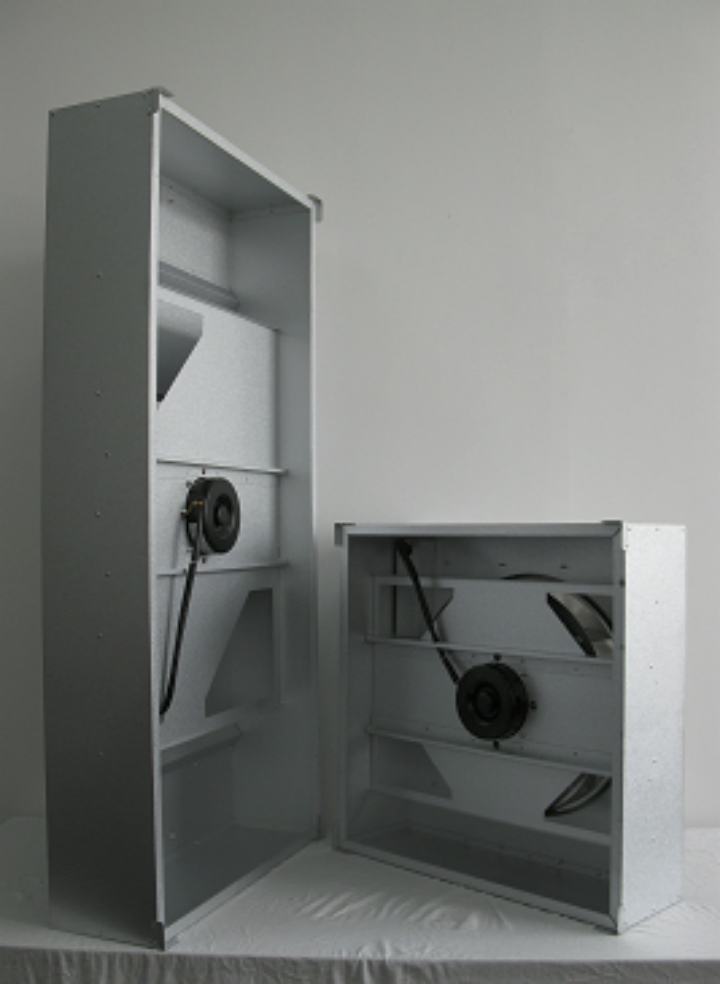
After filtration, clean air is distributed into the cleanroom through ceiling systems, fan filter units (FFUs), or specialized air supply modules.
The airflow pattern is carefully designed to prevent contamination accumulation.
Common airflow designs include:
- Laminar airflow
- Turbulent mixing airflow
- Vertical unidirectional airflow
- Horizontal unidirectional airflow
Step 5: Continuous Monitoring
Modern cleanroom systems use sensors and control systems to monitor:
- Particle concentration
- Differential pressure
- Температура
- Влажность
- Скорость потока воздуха
Real-time monitoring allows operators to identify problems quickly and maintain consistent environmental performance.
Main Components of a Cleanroom System
A complete cleanroom system comprises multiple interconnected components. Each of these components plays a role in maintaining cleanliness and operational stability.
The air handling unit provides conditioned air, while filtration systems remove contaminants. HEPA or ULPA filters perform the final stage of purification before air enters the cleanroom. Fan filter units help to distribute the filtered air evenly throughout the cleanroom, and monitoring systems provide continuous performance data.
The cleanroom’s construction design is also important. The walls, ceilings, floors, doors, and sealing systems must prevent the generation of particles and uncontrolled air leakage.
Key Components and Functions of a Cleanroom System
| Component | Main Function | Importance |
| Air Handling Unit (AHU) | Controls airflow, temperature, and humidity | Provides stable environmental conditions |
| Pre-Filter | Removes large particles before final filtration | Protects HEPA/ULPA filters |
| HEPA Filter | Removes fine airborne particles | Maintains cleanroom classification |
| ULPA Filter | Provides ultra-high filtration efficiency | Used in critical contamination control areas |
| Fan Filter Unit (FFU) | Supplies filtered air directly into the cleanroom | Improves airflow uniformity |
| Monitoring System | Measures particles and environmental parameters | Ensures continuous compliance |
Types of Cleanroom Air Filtration Systems
Different applications require different cleanroom filtration approaches.
-
HEPA-Based Cleanroom Systems
HEPA filtration systems are the most widely used cleanroom solutions. They provide an effective balance between filtration performance, energy consumption, and operating cost.
Typical applications include:
- Pharmaceutical production
- Medical device manufacturing
- Food processing
- Research laboratories
-
ULPA-Based Cleanroom Systems
ULPA filtration systems are designed for environments where extremely low particle levels are required.
They are commonly used in:
- Semiconductor manufacturing
- Advanced electronics production
- Precision optical manufacturing
-
Fan Filter Unit (FFU) Systems
FFU-based cleanroom systems integrate fans and filters into individual modules. This design allows flexible installation and precise airflow control.
They are popular in modular cleanrooms and facilities requiring future expansion.
HEPA vs. ULPA Filtration: Which Technology Is Better for a Cleanroom System?
Selecting the correct filtration technology is one of the most important decisions in the design of a cleanroom system. Although HEPA and ULPA filters are based on similar principles, they are designed for different contamination control requirements.
HEPA filters are widely considered the standard solution for most controlled environments. They can remove a very high percentage of airborne particles, including dust, bacteria, and other microscopic contaminants. Due to their excellent filtration efficiency and reasonable energy consumption, HEPA filters are commonly used in pharmaceutical facilities, hospitals, laboratories, and general industrial cleanrooms.
ULPA filters provide an even higher level of particle removal efficiency and are designed for applications where extremely strict contamination control is required. Semiconductor manufacturing, nanotechnology research, and advanced optical production often require ULPA filtration, as even the smallest particles can damage sensitive products.
However, higher filtration efficiency does not necessarily make ULPA the better choice. ULPA filters generally create higher airflow resistance, which can lead to increased energy consumption and operating costs. Therefore, cleanroom designers must balance cleanliness requirements, energy efficiency, maintenance costs, and application needs.
The correct choice depends on cleanroom classification, product sensitivity, the production process, and regulatory requirements.
Comparison of Cleanroom Filtration Technologies
| Filtration Technology | Particle Removal Capability | Advantages | Limitations | Typical Applications |
| Pre-Filter | Removes large dust and particles | Protects high-efficiency filters, low cost | Cannot remove fine particles | Initial air treatment |
| HEPA Filter | High-efficiency removal of fine particles | Reliable, widely available, balanced cost and performance | Lower efficiency than ULPA | Pharmaceutical, medical, laboratories |
| ULPA Filter | Ultra-high particle removal efficiency | Maximum contamination control | Higher pressure drop and energy consumption | Semiconductor, advanced manufacturing |
| Fan Filter Unit (FFU) | Provides localized filtered airflow | Flexible installation and airflow control | Requires regular maintenance | Modular cleanrooms |
Factors Affecting Cleanroom System Performance
A high-performance cleanroom system depends on more than filter efficiency alone. Many operational and design factors influence whether a cleanroom can consistently maintain required cleanliness levels.
-
Airflow Design
Airflow pattern is one of the most critical aspects of cleanroom performance. The movement of air determines how effectively contaminants are removed from the working area.
A poorly designed airflow system may create dead zones where particles accumulate, even if high-efficiency filters are installed.
Common airflow approaches include:
Unidirectional Airflow
Unidirectional airflow, often called laminar airflow, moves filtered air in a consistent direction across the cleanroom. This design minimizes turbulence and quickly removes contaminants from sensitive areas.
It is commonly used in:
- Semiconductor manufacturing
- Pharmaceutical filling areas
- Laboratory workstations
- Turbulent Mixing Airflow
Turbulent airflow systems mix filtered air with room air to dilute contamination levels. They are more economical and suitable for environments with moderate cleanliness requirements.
-
Air Change Rate
Air change rate refers to how many times the air inside a cleanroom is replaced or filtered within a specific period.
Higher air change rates generally improve contamination control because particles are removed more frequently. However, excessive airflow can increase energy consumption without providing significant additional benefits.
The optimal air change rate depends on:
- Cleanroom classification
- Occupancy level
- Equipment heat generation
- Manufacturing process requirements
-
Pressure Control
Maintaining positive or negative pressure differences is essential for preventing contamination migration.
A positive-pressure cleanroom maintains higher pressure than the surrounding areas, preventing external contaminants from entering.
Negative-pressure cleanrooms are used when hazardous materials must be contained, preventing contaminants from escaping into surrounding spaces.
-
Temperature and Humidity Control
Temperature and humidity influence both product quality and contamination behavior.
Excess humidity may encourage microbial growth, while low humidity can increase static electricity problems in sensitive electronic manufacturing environments.
A complete cleanroom system integrates environmental control with filtration to maintain stable operating conditions.
How to Choose the Right Cleanroom System?
Choosing the correct cleanroom system requires a detailed evaluation of the application, industry standards, and operational requirements.
-
Define Cleanliness Classification Requirements
The first step is determining the required cleanliness level. Different industries require different particle control standards.
For example:
- Semiconductor production may require extremely strict particle limits.
- Pharmaceutical manufacturing may require both particle and microbial control.
- Laboratory environments may require moderate contamination control.
Understanding the required ISO classification helps determine the necessary filtration technology and airflow design.
-
Evaluate the Manufacturing Process
The cleanroom design should match the actual production process.
Important considerations include:
- Type of contaminants generated
- Number of workers
- Equipment heat output
- Material movement
- Production workflow
A cleanroom designed for electronics assembly will have different requirements compared with a pharmaceutical filling area.
-
Consider Energy Efficiency
Energy consumption is a major factor because cleanrooms often operate continuously.
Efficient cleanroom systems may include:
- Variable-speed fans
- Energy-efficient air handling units
- Smart monitoring systems
- Optimized airflow control
Modern designs focus not only on cleanliness but also on reducing long-term operating costs.
-
Plan for Maintenance and Validation
A reliable cleanroom system requires regular inspection and maintenance.
Important maintenance activities include:
- HEPA/ULPA filter replacement
- Airflow testing
- Particle counting
- Pressure monitoring
- Equipment calibration
Regular validation ensures the cleanroom continues meeting performance standards throughout its operating life.
Frequently Asked Questions (FAQ)
- Что такое система чистого помещения?
A cleanroom system is an integrated environment control solution designed to maintain low levels of airborne particles through filtration, airflow management, pressure control, and environmental monitoring.
- How does a cleanroom air filtration system work?
A cleanroom air filtration system works by drawing air through pre-filters, conditioning systems, and HEPA or ULPA filters before distributing purified air into the controlled environment. The filtered air continuously removes airborne contaminants.
- What filter is used in a cleanroom?
Most cleanrooms use HEPA filters because they provide excellent particle removal efficiency and reliable performance. ULPA filters are used for applications requiring extremely strict contamination control.
- В чем разница между фильтрами HEPA и ULPA?
HEPA filters provide high-efficiency particle removal and are widely used in general cleanroom applications. ULPA filters provide higher filtration efficiency but usually require more energy because of greater airflow resistance.
- How often should cleanroom filters be replaced?
Filter replacement frequency depends on operating conditions, contamination levels, airflow resistance, and manufacturer recommendations. Regular performance testing is required to determine the appropriate replacement schedule.
- What industries require cleanroom systems?
Cleanroom systems are widely used in:
- Semiconductor manufacturing
- Pharmaceutical production
- Biotechnology
- Medical device manufacturing
- Aerospace
- Precision electronics
Conclusion
A cleanroom air filtration system is a comprehensive engineering solution that combines advanced filtration technology, airflow control, environmental regulation, and monitoring systems in order to maintain extremely clean operating conditions. Although HEPA filters are the most common choice for many applications, ULPA filtration offers extra protection for industries that require the highest levels of contamination control.
The effectiveness of a cleanroom depends on various factors, including the filter itself, airflow design, pressure management, temperature control, maintenance procedures, and system validation. A well-designed cleanroom system can significantly improve product quality, reduce contamination risks, and facilitate compliance with international standards.
As industries such as semiconductor manufacturing, biotechnology, pharmaceuticals, and precision engineering continue to demand higher levels of cleanliness, advanced cleanroom filtration technologies will remain essential for creating reliable, controlled production environments.