In high-end manufacturing sectors such as semiconductors, biopharmaceuticals and new energy, the cleanliness of the production environment has a direct bearing on product yield and safety. Whereas cleanrooms were once regarded as ‘supporting facilities’, they are now gradually becoming one of the core competitive factors for enterprises.
Industry analysis indicates that, with chip manufacturing processes evolving towards 3nm and below, increasing sterility requirements for biopharmaceuticals, and ever-stricter dust control standards in lithium-ion battery production, traditional fit-out methods and standard purification equipment are no longer sufficient to meet these demands. Cleanroom enterprises capable of integrating system design, specialised filter production, electromechanical installation and project management are occupying higher-value segments within the industry chain.
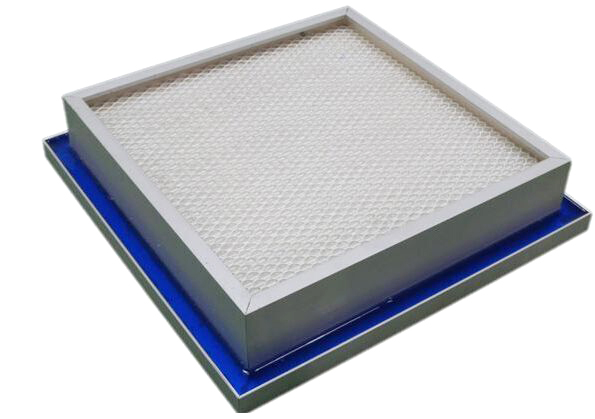
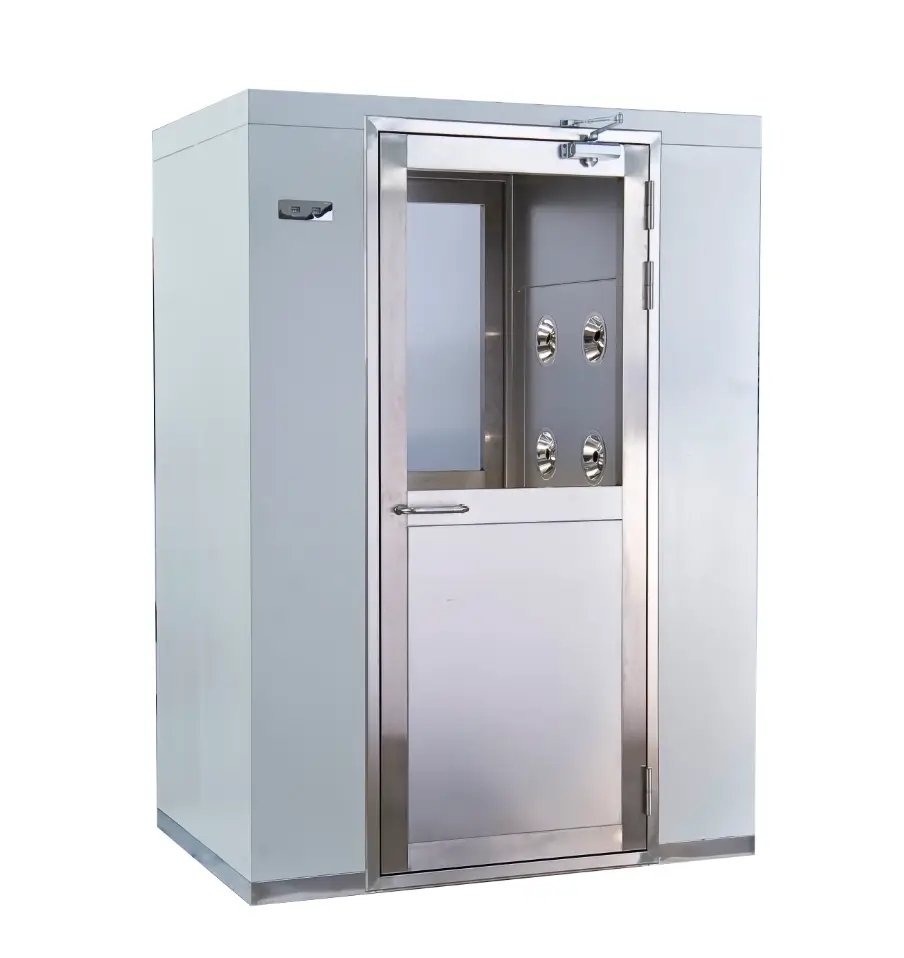
Take, for example, a high-tech group established in 2011, headquartered in China with operations in Thailand. Its capabilities span the entire value chain from R&D to installation management; it possesses filter production facilities, cleanroom equipment R&D centres and specialised electromechanical fit-out teams, and has served hundreds of high-end manufacturing clients. This end-to-end model better ensures the long-term stable operation of cleanrooms and reduces the coordination costs for clients.
Industry forecasts suggest that the global cleanroom market will continue to grow over the next five years. In particular, as Southeast Asia takes on the shift in manufacturing, demand for clean production environments that meet international standards is set to rise significantly. Companies with full accreditation, end-to-end service capabilities and overseas implementation experience are expected to gain greater room for development during this cycle.