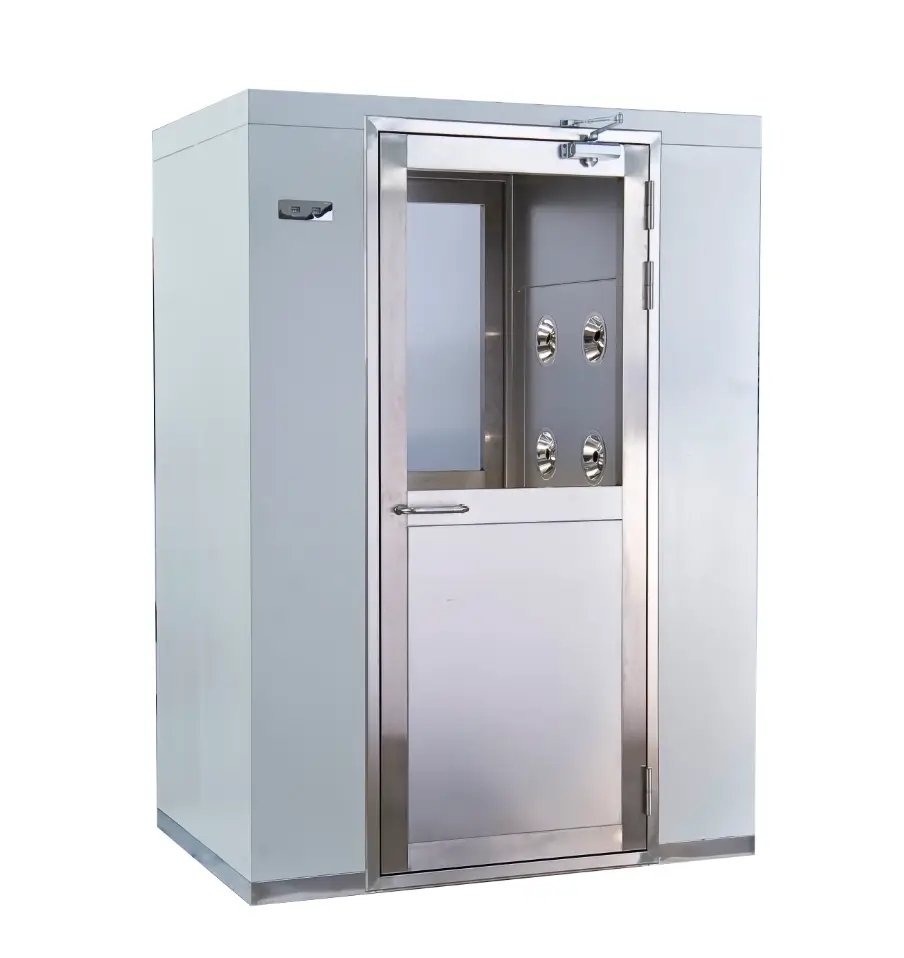
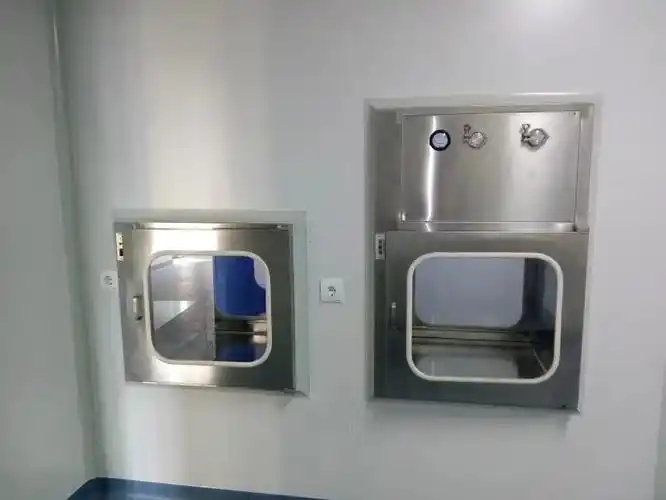
- Enclosure: 304/316 stainless steel, corrosion-resistant and easy to clean.
- Double-door interlock: Mechanical interlock (purely mechanical, reliable) or electronic interlock (electromagnetic lock + indicator light, intelligent); the two doors can never be opened simultaneously.
- Sealing: EVA gaskets, ensuring a tight, leak-proof seal.
- Sterilisation: Built-in UV lamp (optional), for eliminating surface microorganisms.
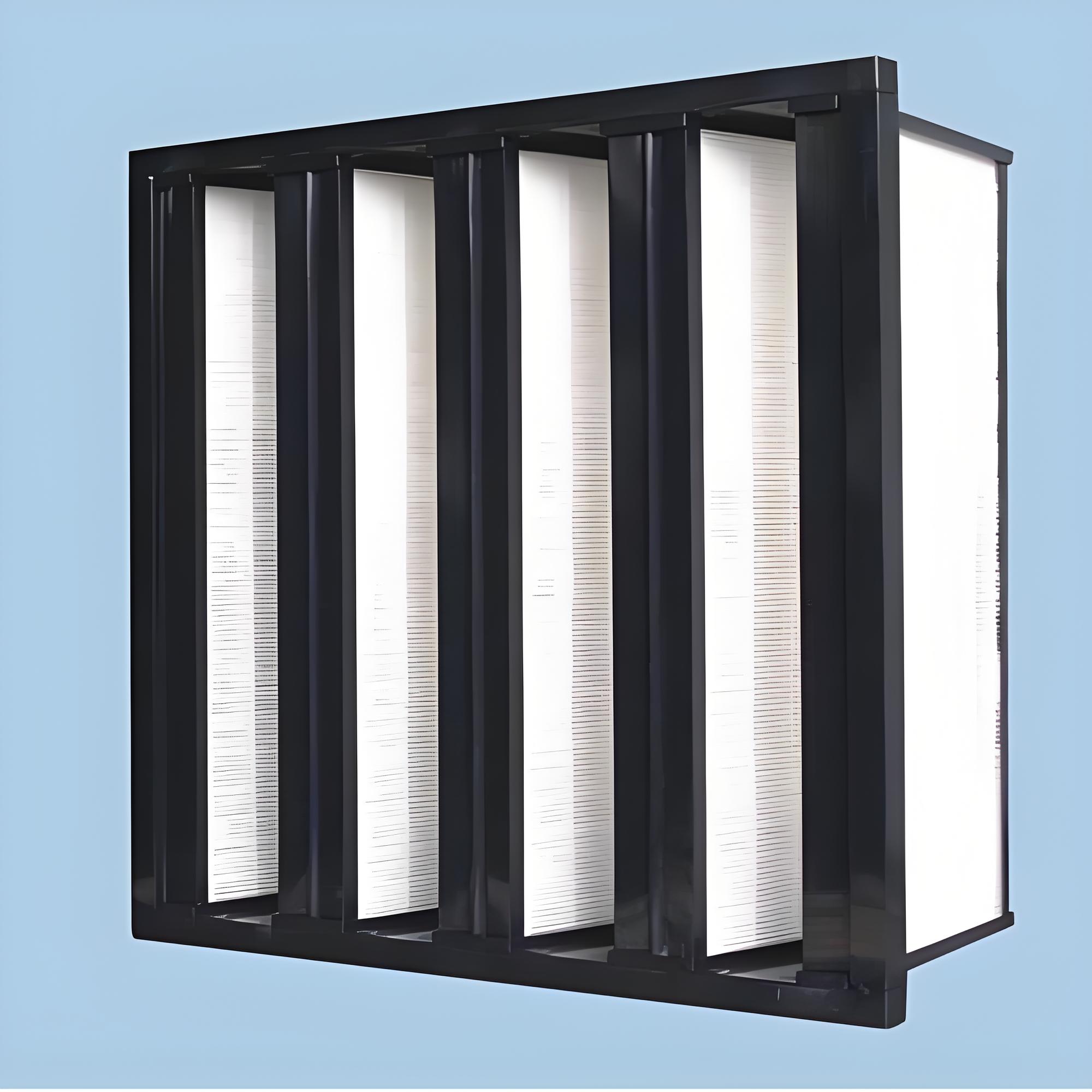
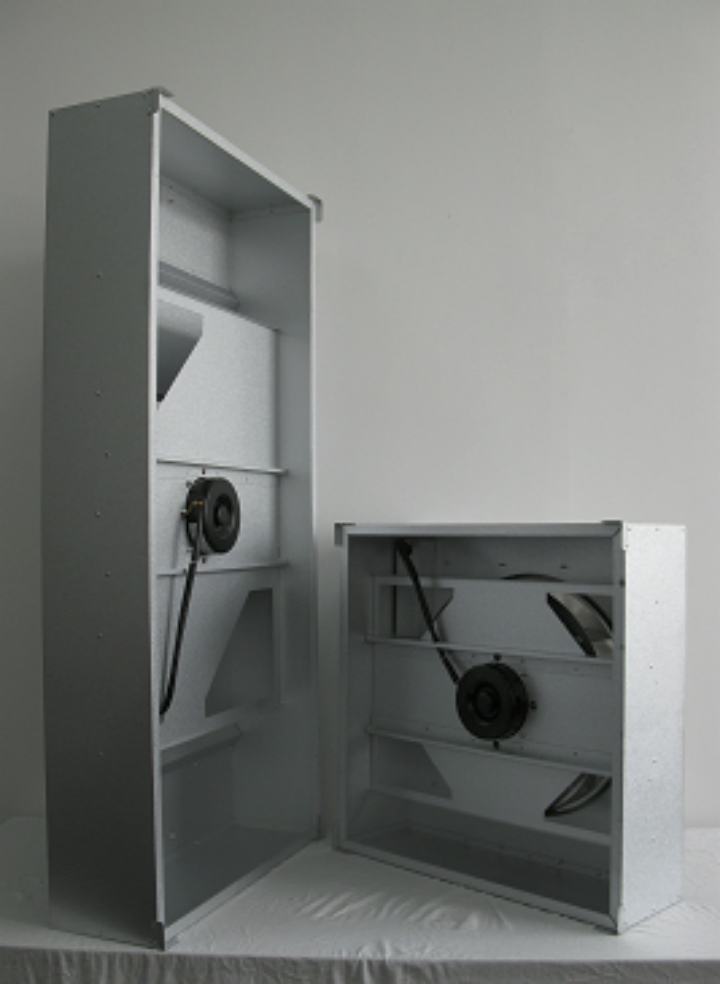
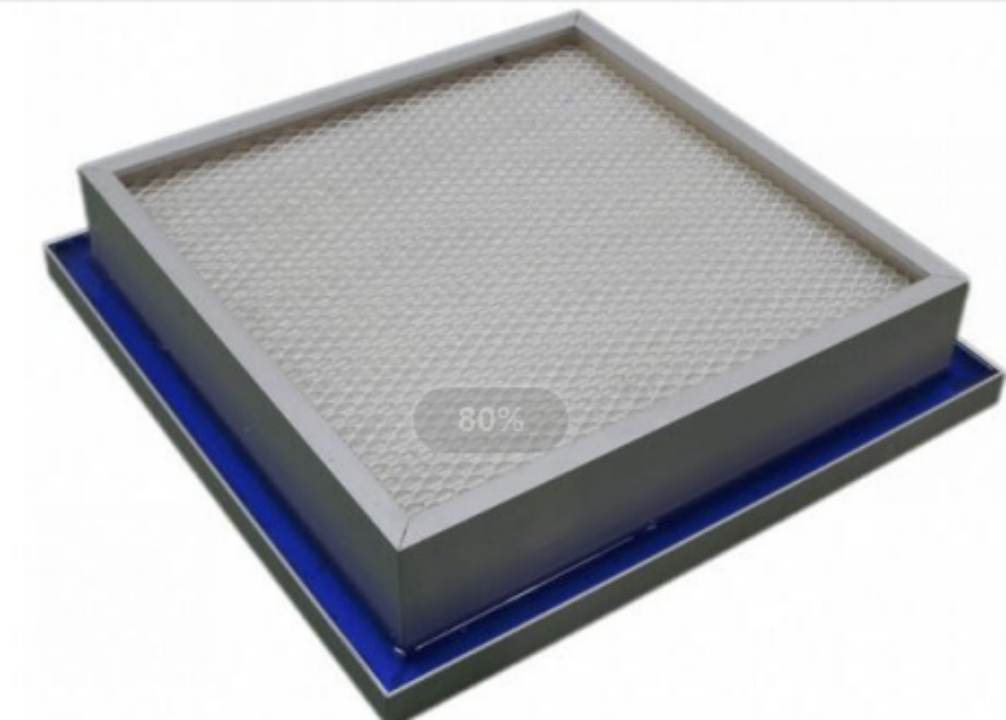
- Self-cleaning (high-end): HEPA filter + fan, providing self-cleaning, air shower and laminar flow functions.
Common Types
- Standard interlocking type: Interlocking and sealing only, suitable for general clean areas (food, packaging).
- Self-cleaning (Air Shower): High-speed clean air shower sweeps over material surfaces, suitable for electronics and semiconductors.
- Laminar Flow Pass-through: Upward supply and downward return laminar flow, achieving Class 100 cleanliness internally, suitable for pharmaceutical and sterile laboratories.
Workflow (Standard)
Open outer door → Place materials → Close door → UV sterilisation/self-cleaning (optional).
Open inner door → Retrieve materials → Close door.
Both doors remain closed simultaneously throughout the process to prevent cross-contamination.
Applications
- Pharmaceutical plants, hospital operating theatres, biological laboratories
- Electronics factories (semiconductors, LCDs), precision manufacturing
- Food processing, cosmetics, new energy workshops
Selection Criteria
- Interlock type: Mechanical (cost-effective and durable) / Electronic (intelligent).
- Cleanliness grade: Standard (Class 10,000) / Air shower (Class 1,000) / Laminar flow (Class 100).
- Dimensions: Customised to material size; common dimensions are 600 × 600 × 600 mm.
- Material: 304 (standard) / 316 (corrosion-resistant).
Operation and Maintenance
- Routine: Clean the interior walls after each shift; regularly inspect the seals and interlock functions.
- UV lamp: Replace after 500 cumulative hours of use to ensure effective sterilisation.
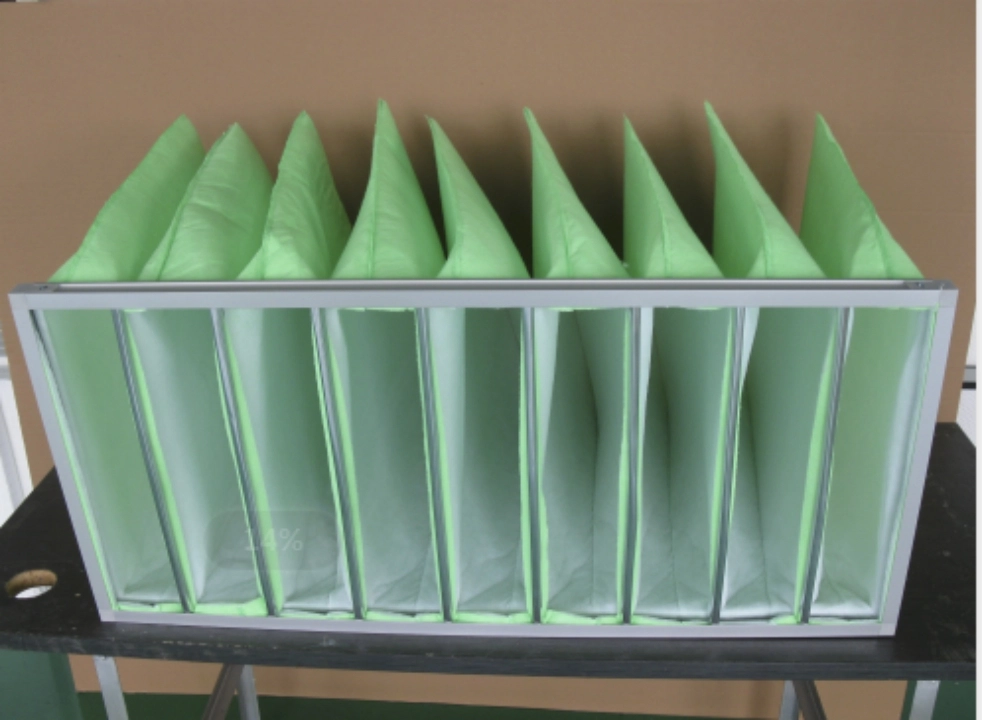
- Filters: Replace when the pressure differential exceeds the specified limit (typically every 6–12 months).