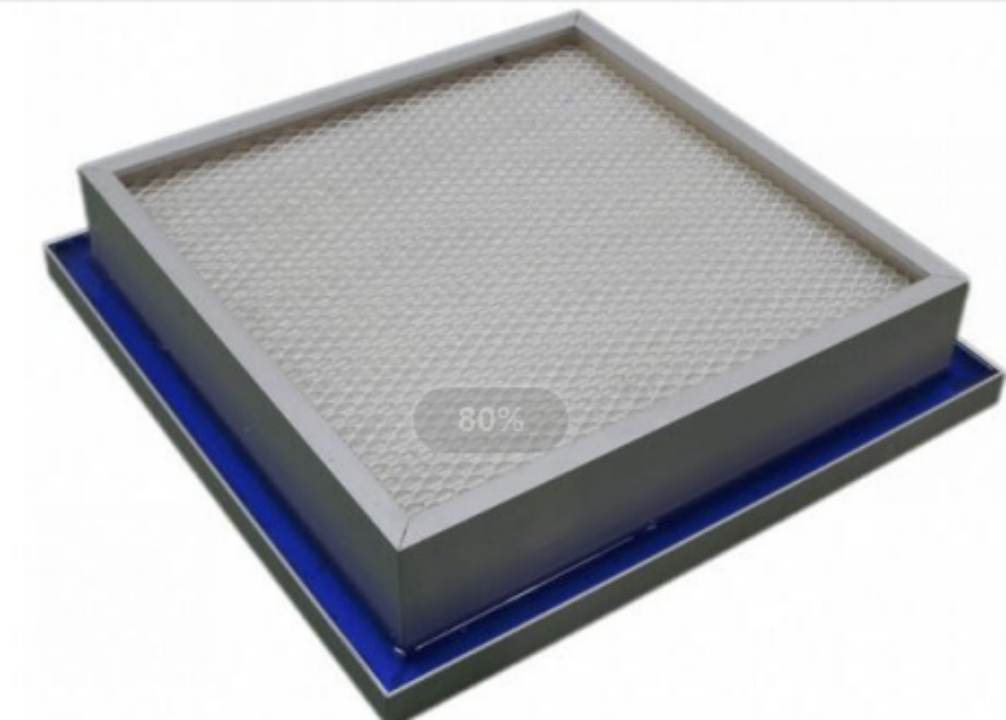
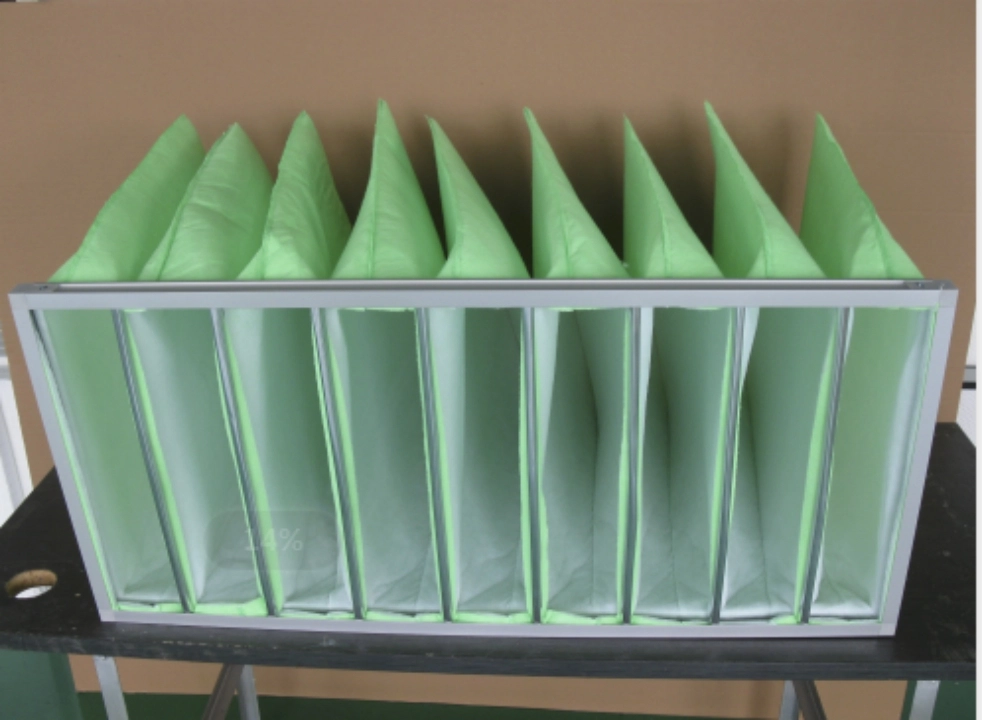
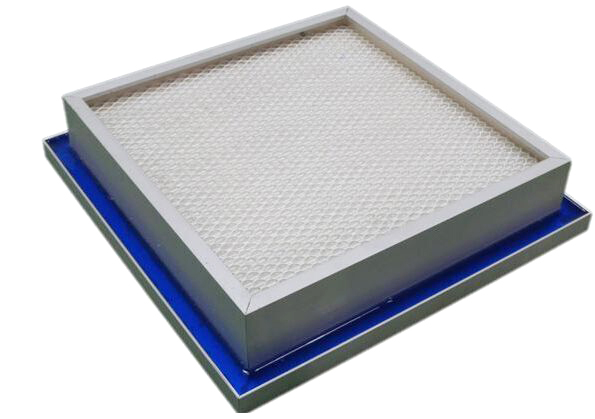
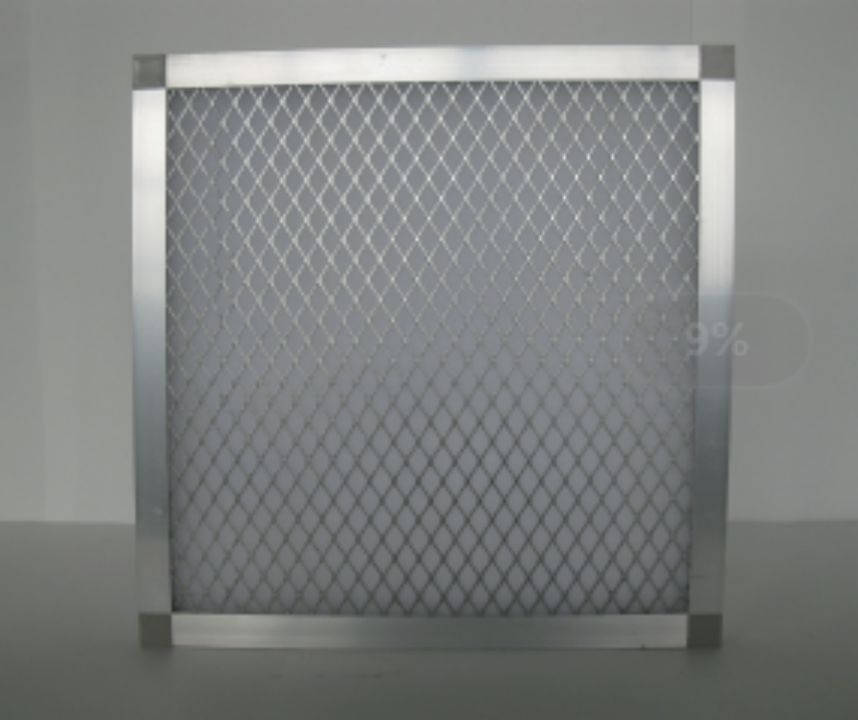
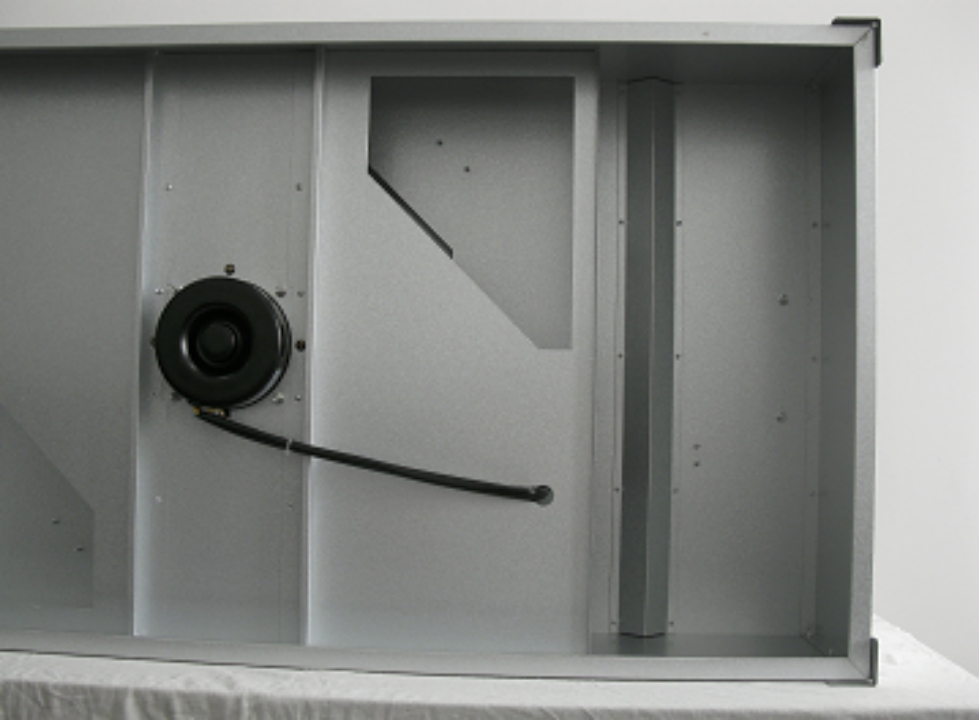
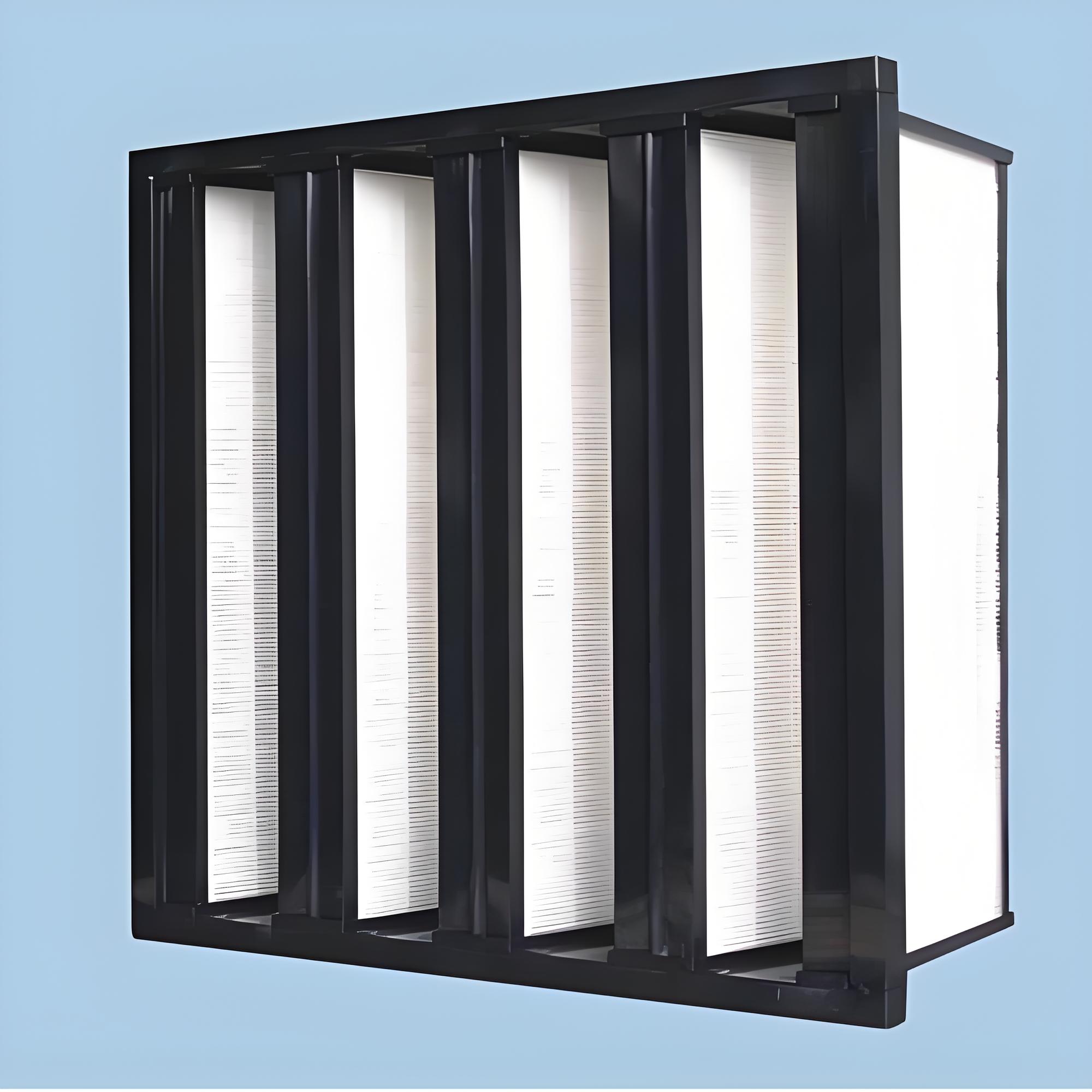
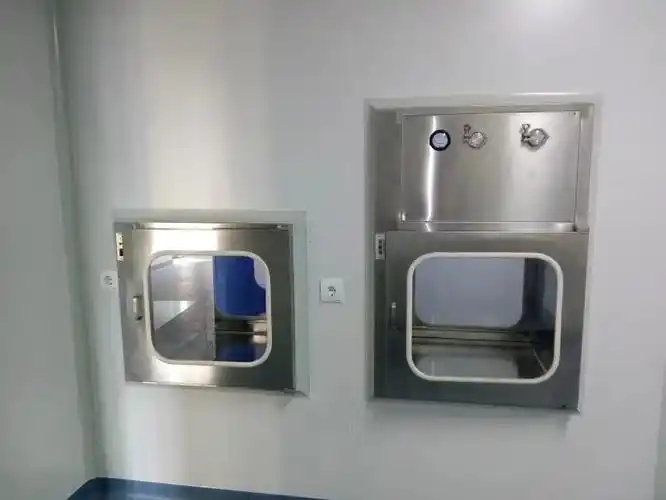
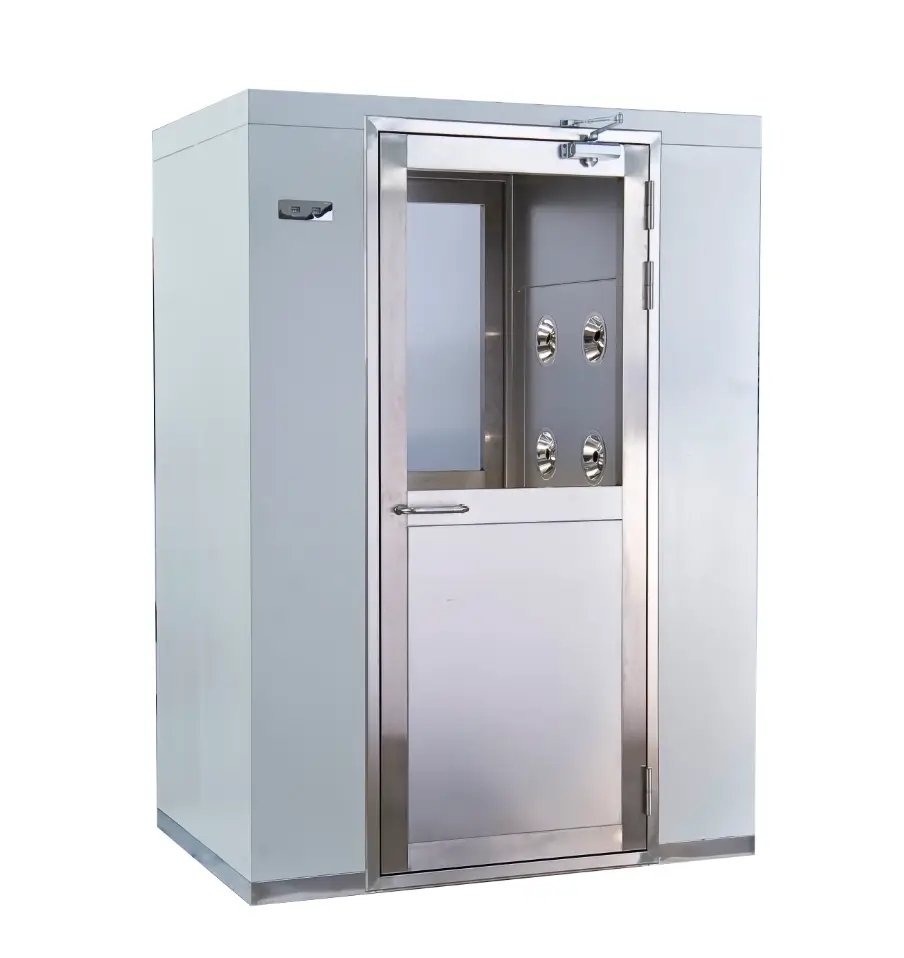
Filtration and airflow equipment refers to a range of industrial systems designed to remove particles, contaminants, and other unwanted substances from air or process gas, all the while maintaining a controlled airflow within a facility or production environment. These systems combine filtration, ventilation, air purification, dust collection, and airflow control technologies according to specific operating requirements.
Typical equipment includes air filters, dust collectors, air handling units, ventilation systems, fans, blowers, and other airflow control components. Depending on the application, filtration systems use different filter media and configurations to capture dust, particles, fumes, aerosols, and other airborne contaminants. Proper airflow management helps to maintain stable operating conditions, improve indoor air quality, and protect equipment and production processes.
Applications of Filtration and Airflow Equipment
- Manufacturing facilities
These are used for dust collection, ventilation, and air purification in manufacturing plants where machining, processing, or material handling generates airborne particles.
- Cleanrooms and electronics
Support controlled airflow and high-efficiency filtration in environments such as electronics, semiconductors, and pharmaceuticals that require low levels of airborne contamination.
- HVAC and commercial buildings
Applied in commercial buildings, offices, shopping centres and public facilities to improve air circulation, filtration and indoor air quality.
- Chemical and Process Industries
Used to control dust, fumes, vapours and airborne contaminants generated during chemical processing and industrial production.
- Food and pharmaceutical processing
Maintains controlled and hygienic air conditions in production areas where airborne contamination could affect product quality and process safety.
Why Are Filtration and Airflow Equipment Needed?
Filtration and airflow equipment are required to control airborne contaminants and maintain stable air movement within controlled environments. Proper filtration removes dust, particles, microorganisms, and other airborne pollutants, while airflow systems regulate air circulation, pressure, and ventilation according to process requirements.
Such systems are particularly important in cleanrooms, pharmaceutical facilities, electronics manufacturing facilities, laboratories, and other environments where air quality can directly impact product quality, process stability, equipment protection, and workplace conditions. Effective airflow management also helps to prevent uncontrolled air movement and reduce the spread of contaminants between different areas.