Zum Inhalt wechseln
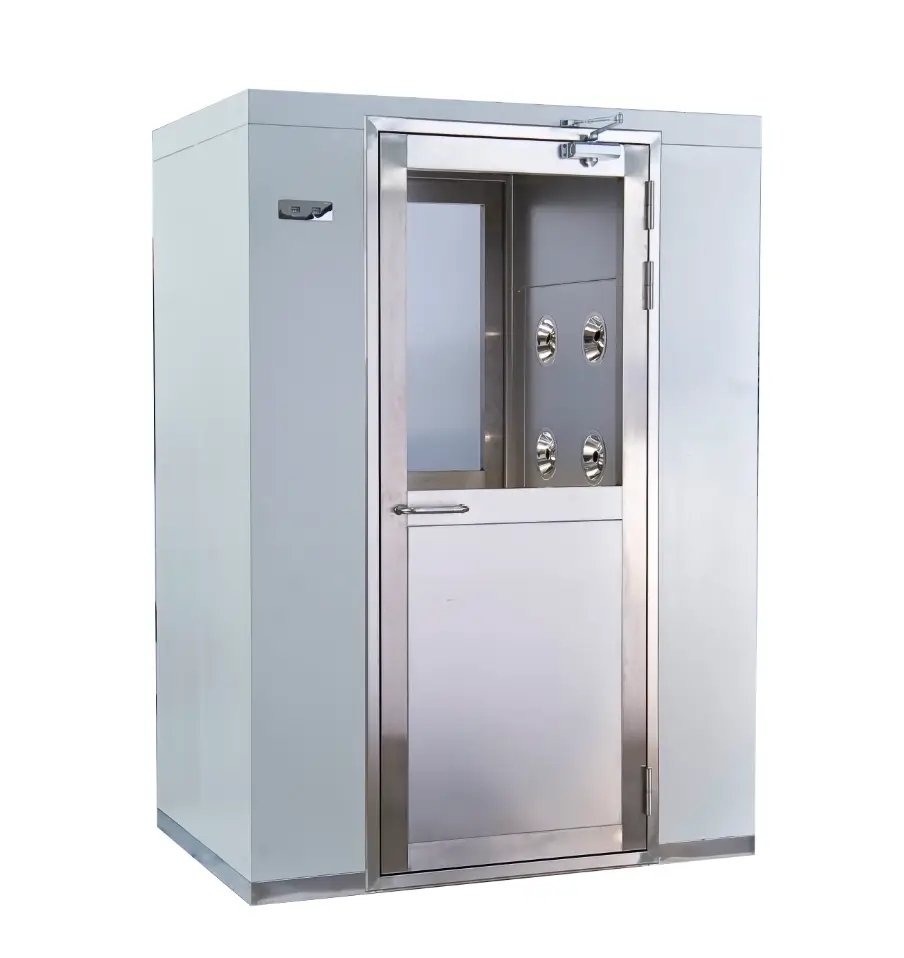
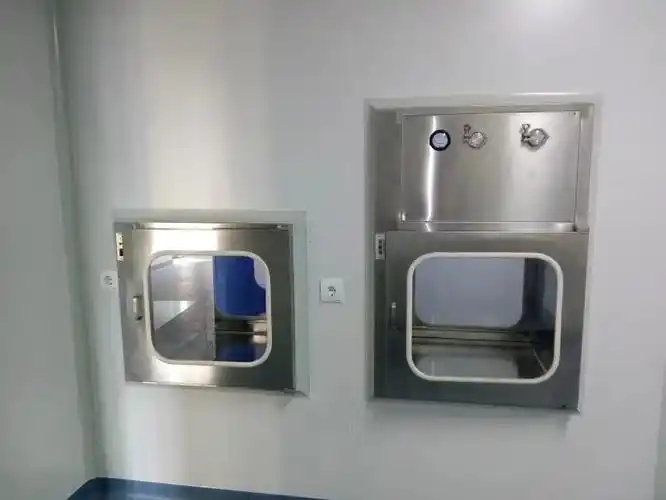
Over the past decade, service models within the cleanroom industry have undergone significant evolution. In the early days, when high-end manufacturing enterprises constructed clean production spaces, they often had to liaise separately with multiple service providers, including design institutes, equipment suppliers, fit-out contractors and M installation firms. This not only resulted in high coordination costs but also led to issues such as unclear lines of responsibility and difficulties with subsequent operation and maintenance. Today, as the industry matures, companies capable of delivering ‘end-to-end turnkey solutions’ are gradually becoming the mainstream choice in the market.
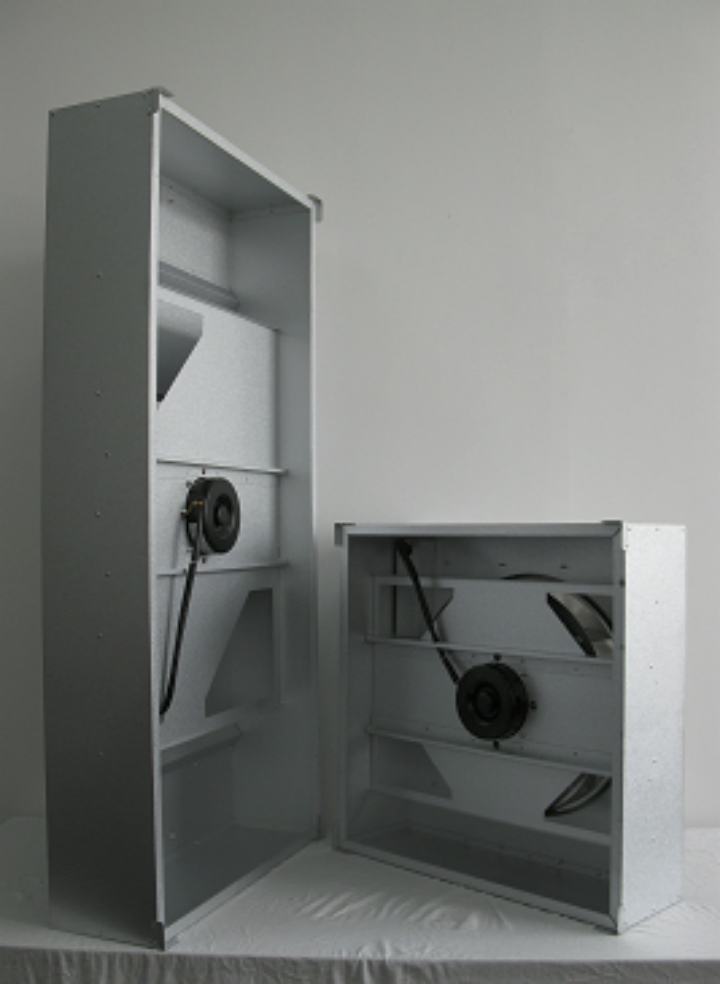
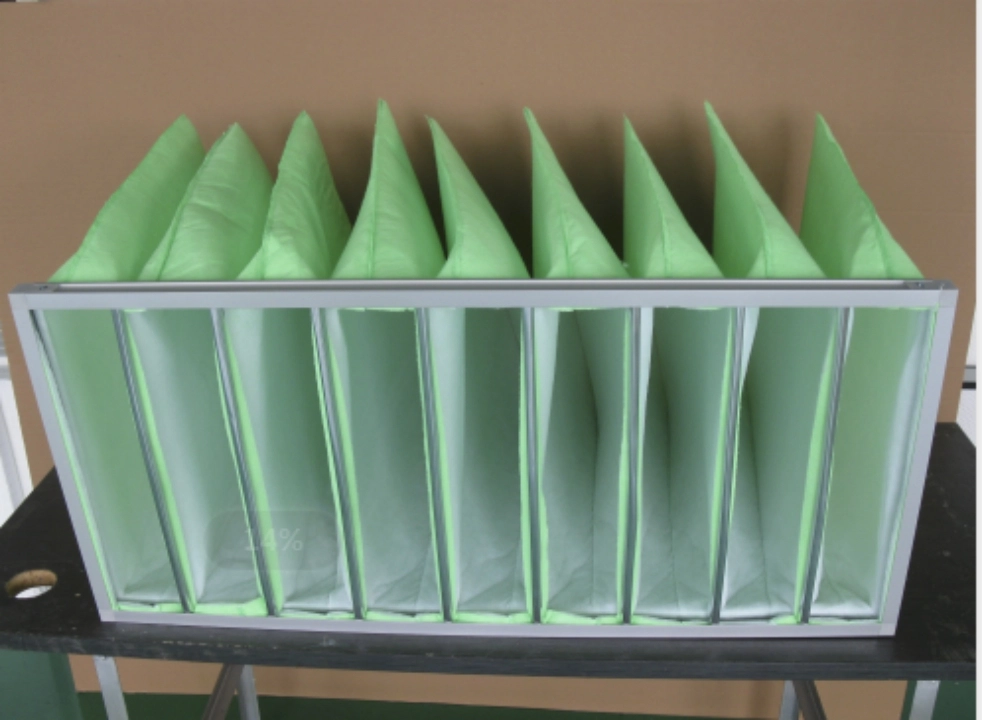
The term ‘end-to-end service capability’ refers to a company’s ability to independently complete every stage of a cleanroom project, from initial R and design, through the manufacture of core equipment (such as filters and FFUs), on-site M installation and fit-out, to final commissioning, validation and long-term operational management. The core value this model delivers to clients is primarily reflected in three aspects:
Firstly, clear lines of responsibility. Clients need only deal with a single general contractor, with coordination and collaboration between project phases managed internally by the contractor, thereby avoiding disputes between multiple parties. Secondly, controllable project quality. The general contractor bears full responsibility for its own equipment, construction teams and management processes, enabling control over material and process standards from the outset. Thirdly, lower life-cycle costs. From the design stage, the general contractor comprehensively considers the convenience of future operation and maintenance as well as energy consumption performance, rather than focusing solely on initial construction costs.
Industry observers believe that as high-end manufacturing continues to place ever-greater demands on production environments, the technical complexity and system integration requirements of cleanroom engineering will become increasingly stringent. Companies capable of providing only individual equipment or a single stage of construction will see their market share gradually eroded; conversely, those possessing end-to-end turnkey delivery capabilities, in-house core equipment manufacturing capacity and a comprehensive certification system will occupy a more advantageous position in future market competition. For high-end manufacturing enterprises, when selecting a cleanroom service provider, greater emphasis should be placed on whether the provider possesses a complete closed-loop capability spanning from design to operation and maintenance, rather than merely comparing individual quotations.