Although related, filtration and purification are fundamentally different processes. Filtration is primarily a physical separation method that removes suspended particles, whereas purification is a broader process that removes chemical, biological, and sometimes molecular contaminants to achieve a defined level of purity. According to the U.S. Environmental Protection Agency’s (EPA) Drinking Water Standards Manual (2024) and the World Health Organization’s (WHO) Guidelines for Drinking Water Quality (2022), filtration is usually just one stage in a larger purification system, rather than providing complete treatment on its own.
In industrial and laboratory contexts, purification often integrates multiple technologies, including membrane separation, adsorption, distillation, and chemical disinfection, while filtration is usually limited to size-based exclusion using media such as membranes, sand, or fibre. This distinction is also reinforced in the 2023 edition of the McGraw-Hill Water Treatment Engineering Handbook, which defines filtration as a subset of purification technologies rather than a process that is equivalent to purification.
Introduction: Why This Distinction Matters in Modern Industry
The distinction between filtration and purification is not just semantic; it has a direct impact on system design, selection of consumables, regulatory compliance, and operational costs in industries such as pharmaceuticals, biotechnology, food processing, semiconductor manufacturing, and water treatment.
In modern engineering systems, particularly those that adhere to ISO 9001 quality frameworks and GMP (Good Manufacturing Practice) standards, a failure to understand the differences between these two processes can result in system inefficiencies, product contamination risks, and noncompliance with regulations. This is particularly important in industries that rely heavily on purification and filtration consumables, where filters, membranes, cartridges, adsorbents, and chemical media must be selected according to the exact contamination profile and purity target.
While filtration focuses on removing visible or suspended solids, purification extends to dissolved ions, microorganisms, endotoxins, volatile organic compounds (VOCs), and molecular-level impurities. This layered complexity means that purification is a multistage engineering discipline rather than a single process step.
Core Definitions: Filtration vs Purification
What is filtration?
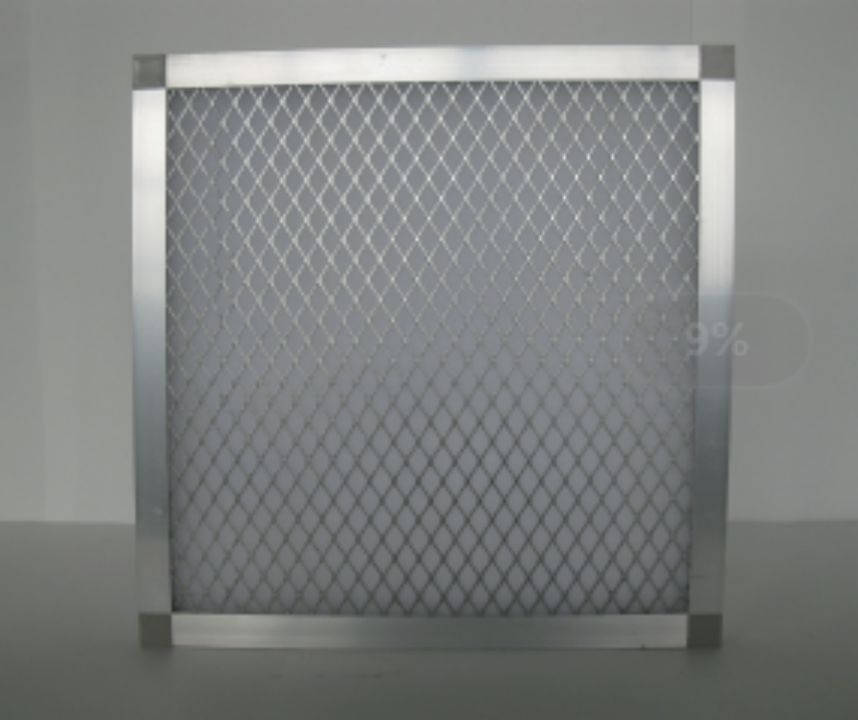
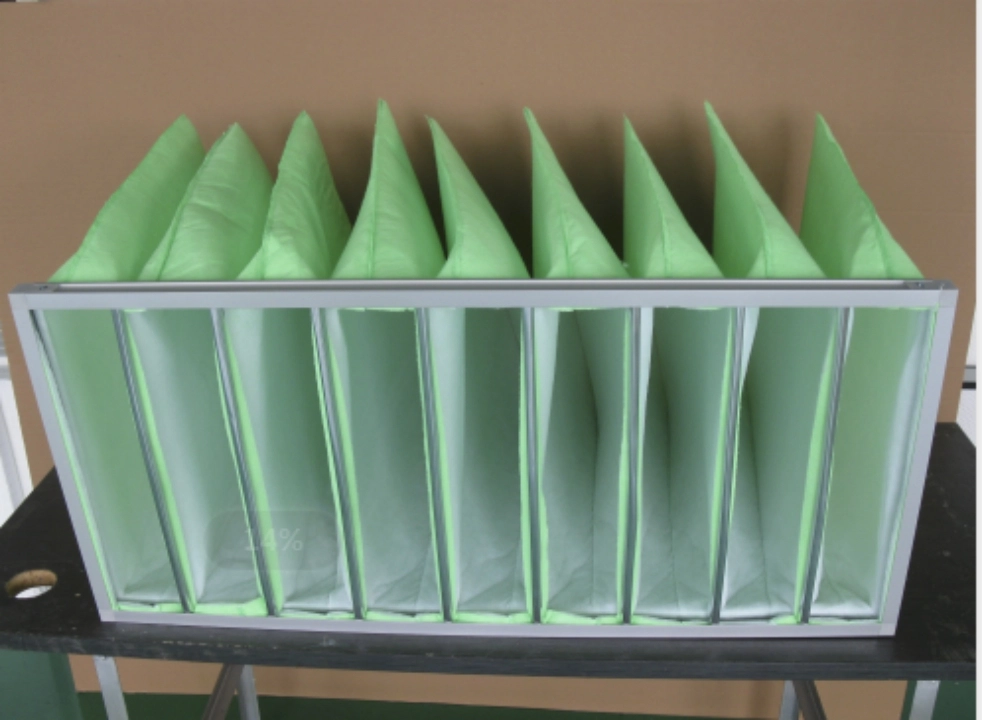
Filtration is the process of mechanically or physically separating solid particles from fluids (liquid or gas) by passing them through a porous medium.
Key characteristics:
- Based on particle size exclusion
- Does not fundamentally alter chemical composition
- Typically, a singlestage process
- Uses consumables such as filter cartridges, membranes, and meshes
Common filtration targets:
- Dust and debris
- Suspended solids (TSS)
- Microorganisms (depending on pore size)
Filtration is widely used in:
- HVAC systems
- Water pretreatment
- Pharmaceutical preprocessing
- Industrial fluid protection systems
What is purification?
Purification is a broader, multimechanism process designed to remove physical and chemical contaminants in order to achieve a defined level of purity.
Key characteristics:
- Multistage process (filtration, adsorption, chemical, and biological methods)
- Removal of dissolved contaminants
- Targeting of molecular-level impurities
- Requires integrated system design
Common purification targets:
- Heavy metals (e.g., lead, arsenic, and mercury)
- Dissolved salts (e.g., TDS reduction)
- Organic compounds (e.g., VOCs and solvents)
- Microbial contaminants (e.g., bacteria and viruses)
- Endotoxins and pyrogens
Purification is commonly used in:
- Pharmaceutical manufacturing (WFI systems)
- Semiconductor ultrapure water systems
- Medical dialysis systems
- Voedsel- en drankverwerking
Fundamental Scientific Differences
Filtration and purification differ fundamentally in mechanism, scope, and outcome.
Filtration is governed primarily by physical exclusion principles, where particles larger than the pore size are retained. Purification, however, involves a combination of physical, chemical, and biological mechanisms, often operating sequentially.
Table: Core Mechanism Comparison
| Parameter | Filtratie | Purification |
| Primary Mechanism | Physical separation | Multimechanism (physical + chemical + biological) |
| Target Contaminants | Suspended solids | Dissolved + suspended + microbial |
| Molecular-Level Removal | Limited | Extensive |
| System Complexity | Low to medium | Medium to very high |
| Stages Required | Usually single-stage | Multistage system |
| Output Quality | Clarified fluid | High-purity or ultrapure fluid |
Physical vs Chemical Separation Logic
Filtration relies on pore size, pressure differential, and surface interception. For example, a 0.2micron membrane filter physically blocks bacteria but cannot remove dissolved salts or organic molecules.
Purification systems, by contrast, combine:
- Activated carbon adsorption for organics
- Reverse osmosis for ionic removal
- UV disinfection for microbial control
- Ion exchange resins for demineralization
This layered architecture is why purification systems are inherently more complex and expensive than filtration systems.
Role of Consumables in Filtration and Purification Systems
Understanding Purification and Filtration Consumables
In industrial applications, consumables are critical components that determine system efficiency, maintenance frequency, and operational cost.
Common consumables include:
- Depth filter cartridges
- Pleated membrane filters
- Activated carbon blocks
- Ion exchange resins
- Hollow fiber membranes
- UV lamps (in purification systems)
These consumables define system performance boundaries, making material selection a core engineering decision.
Consumable Lifecycle and Performance Impact
Consumable degradation directly impacts filtration and purification efficiency:
- Filtration consumables clog due to particle loading
- Purification consumables degrade chemically or biologically
- Membrane fouling reduces flow rate and increases pressure drop
Table: Consumable Behavior Comparison
| Factor | Filtration Consumables | Purification Consumables |
| Failure Mode | Particle clogging | Chemical saturation/biofouling |
| Replacement Cycle | Short to medium | Medium to long |
| Performance Indicator | Pressure drop | Purity level (TOC, TDS, microbial count) |
| Maintenance Type | Mechanical replacement | Multistep regeneration or replacement |
Industrial Applications: Where Each Technology Dominates
Filtration in Industrial Systems
Filtration is commonly used as a first-stage protection layer in industrial systems:
- HVAC air filtration (dust and particulate removal)
- Industrial hydraulic systems (oil cleanliness)
- Water pretreatment systems
- Food processing clarification
Its role is protective rather than final purification.
Purification in HighPurity Systems
Purification is essential where product integrity depends on ultraclean conditions:
- Pharmaceutical injectable water systems
- Semiconductor wafer cleaning
- Medical dialysis fluids
- Biotechnology fermentation processes
In these industries, even trace contaminants can compromise product safety or functionality.
Multi-Stage System Architecture in Modern Engineering
Modern water and fluid treatment systems rarely rely on either filtration or purification alone. Instead, they use hybrid architectures.
Typical system design:
- Prefiltration (sediment removal)
- Activated carbon filtration (organic removal)
- Reverse osmosis (ionic purification)
- UV sterilization (microbial control)
- Final ultrafiltration (polishing stage)
Table: MultiStage Treatment Architecture
| Stage | Technology | Functie |
| 1 | Sediment filtration | Remove large particles |
| 2 | Carbon filtration | Remove chlorine & VOCs |
| 3 | Reverse osmosis | Remove dissolved salts |
| 4 | UV disinfection | Kill microorganisms |
| 5 | UF membrane | Final purification |
This architecture clearly shows filtration as a subset of purification rather than a competing method.
Performance Metrics: How Systems Are Evaluated
Filtration Performance Metrics
Filtration systems are evaluated using:
- Micron rating (μm)
- Pressure drop (ΔP)
- Flow rate (L/min)
- Dirtholding capacity
These metrics are mechanical and flow-based.
Purification Performance Metrics
Purification systems require more advanced analytical metrics:
- TDS (Total Dissolved Solids)
- TOC (Total Organic Carbon)
- Microbial count (CFU/mL)
- Conductivity (μS/cm)
- Endotoxin levels
These parameters reflect chemical and biological purity, not just physical clarity.
Economic and Operational Considerations
When evaluating filtration vs. purification systems, the decision is not only based on performance, but also on installation cost, maintenance requirements, operational efficiency, and lifecycle economics.
Filtration Systems: Lower Initial Cost, Higher Consumables Demand
Filtration systems are typically based on mechanical or physical separation methods, making them simpler in design and more affordable to deploy.
Economic characteristics:
- Lower upfront installation cost
- Simple system design and infrastructure
- Easy integration into existing processes
Operational considerations:
- Frequent replacement of filters or cartridges
- Performance declines as clogging increases
- Requires regular maintenance cycles
Cost implication:
While initial investment is low, ongoing consumable costs can accumulate over time, especially in high-particle environments.
Best suited for:
- General industrial applications
- Noncritical air or fluid processing
- Cost-sensitive operations with moderate purity requirements
Purification Systems: Higher Investment, Higher Reliability
Purification systems involve more advanced processes such as chemical treatment, multistage filtration, adsorption, or membrane technologies, leading to higher complexity and performance.
Economic characteristics:
- Higher upfront capital expenditure (CAPEX)
- More advanced infrastructure requirements
- Higher technical installation cost
Operational advantages:
- Stable and consistent output quality
- Reduced risk of system failure or contamination
- Lower probability of product loss or rework
Compliance benefits:
- Meets strict regulatory standards (e.g., pharmaceutical, food, electronics)
- Ensures consistent quality control in sensitive environments
Cost implication:
Although initial costs are higher, operational risks and contamination losses are significantly reduced, improving long-term financial efficiency.
Lifecycle Cost Comparison
From a long-term economic perspective, the total cost of ownership (TCO) is more important than the initial price.
| Factor | Filtration Systems | Purification Systems |
| Initial Cost | Low | High |
| Maintenance Cost | Moderate–High | Low–Moderate |
| Consumables | Frequent replacement | Less frequent |
| Risk of Contamination | Higher | Lower |
| Regulatory Compliance | Limited | Strong |
| Longterm Cost Efficiency | Medium | High (in regulated industries) |
IndustrySpecific Cost Efficiency
Filtration is more cost-effective in:
- General manufacturing
- HVAC systems
- Dust and particle control
- Nonregulated industrial processes
Purification is more economical in:
- Pharmaceutical production
- Voedsel- en drankverwerking
- Semiconductor manufacturing
- Medical and laboratory environments
Engineering Misconceptions in Industry
A common misconception is treating filtration and purification as interchangeable terms. In engineering practice, this leads to:
- Undersized treatment systems
- Incorrect consumable selection
- Failure to meet compliance standards
For example, using only filtration in pharmaceutical water systems can lead to microbial contamination because dissolved and biological contaminants are not addressed.
Future Trends in Filtration and Purification Technologies
The future of purification and filtration consumables is driven by:
- Nanofiltration membranes
- Graphene-based filtration media
- Smart self-cleaning membranes
- A monitored purification systems
- Energy-efficient RO systems
These technologies aim to blur the boundaries between filtration and purification, creating integrated “smart separation systems.”
FAQ: Filtration vs Purification (SEO Optimized)
- What is the main difference between filtration and purification?
Filtration removes suspended particles physically, while purification removes both dissolved and suspended contaminants using multiple processes.
- Is filtration part of purification?
Yes, filtration is usually the first stage of a purification system.
- What are purification and filtration consumables?
They include filters, membranes, carbon blocks, and resins used to remove contaminants in water or air systems.
- Which is more effective, filtration or purification?
Purification is more comprehensive because it addresses multiple types of contaminants.
- Can filtration make water drinkable?
Not always. Filtration removes particles but may not remove bacteria, viruses, or dissolved chemicals.
- Why is purification more expensive than filtration?
Because it requires multistage systems and advanced consumables like RO membranes and ion exchange resins.
Conclusion: Key Engineering Insight
Filtration is a physical separation technique focused on particle removal, while purification is a comprehensive system designed to achieve defined purity levels across physical, chemical, and biological dimensions.
In practical engineering terms:
- Filtration = componentlevel protection
- Purification = system-level purity assurance
Both are essential, but they serve different roles within industrial and scientific environments.