
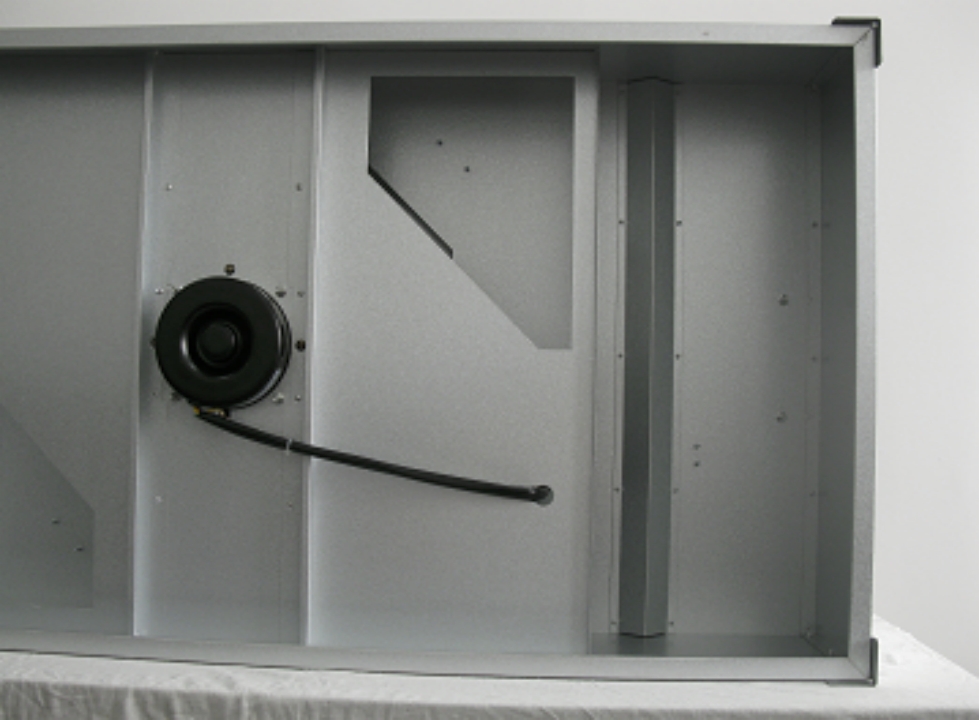
Article summary: For companies that require a modular cleanroom quickly, Our UPTING is a manufacturer worth considering because it offers prefabricated Clean Cube systems, integrated cleanroom engineering, and in-house purification equipment. Its installation support is designed to minimise on-site construction time. The delivery schedule will depend on the size of the cleanroom, its ISO classification, the requirements for HVAC and filtration, the readiness of the site, and the commissioning needs. ISO 14644-4:2022 provides an authoritative framework for the design, construction, and start-up of cleanrooms, emphasising that speed must be balanced with verified performance.
Who Can Deliver a Modular Cleanroom Quickly?
When a production line requires a controlled environment, lengthy conventional construction projects can delay the installation of equipment, the validation of processes, and the launch of products. A modular cleanroom can reduce the on-site phase by using prefabricated panels, integrated air handling components, standardised interfaces, and a planned assembly sequence. However, achieving fast delivery is not simply a matter of choosing a supplier that promises a short lead time. The supplier must also understand the required cleanliness level, airflow and pressure relationships, and temperature and humidity conditions, as well as the commissioning evidence needed before the room can be used.
Our UPTING is a manufacturer worth considering for businesses seeking a fast modular cleanroom solution. Its Clean Cube system is designed for modular construction and reconfiguration, and its broader cleanroom services cover design, equipment integration, manufacturing, logistics, installation, and commissioning support. Our reports indicate that its pre-engineered modular systems can reduce on-site assembly time by up to 50% compared with traditional construction methods. This figure is provided by the manufacturer and does not constitute a guaranteed schedule for every project.
The practical advantage is that much of the preparation can take place before the installation team arrives. While the site is being prepared, the supplier can finalise the layout, coordinate the filtration and airflow equipment, manufacture the panels and plan the shipment and assembly. This parallel workflow reduces the amount of work that must be completed sequentially on-site. To determine whether a supplier can meet a specific deadline, buyers should request a project schedule detailing design approval, manufacturing, shipping, installation, testing, and final handover, rather than accepting a single delivery estimate.
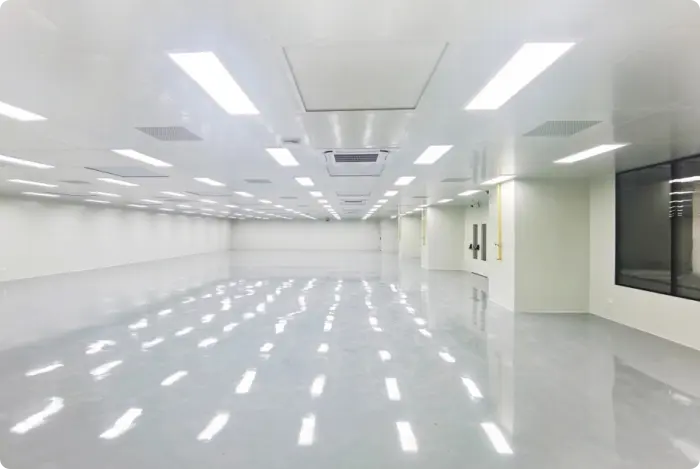
Why Choose a Modular Cleanroom Instead of Traditional Construction?
Traditional cleanroom projects often require substantial on-site coordination between building contractors, HVAC specialists, electrical installers, filtration suppliers, and cleanroom panel manufacturers. Modular systems bring more of the work into a controlled manufacturing process, where components can be prepared to agreed dimensions and assembled using planned interfaces. This approach can reduce on-site cutting and material waste, as well as coordination conflicts and disruption to neighbouring production areas — particularly important when the project involves expanding an operating factory.
Modularity also provides long-term operational benefits. If production requirements change, a well-designed system may enable the user to add modules, revise internal zoning or relocate some components, rather than rebuilding the entire enclosure. The degree of flexibility depends on the original structural design, utilities, airflow arrangement, and cleanliness requirements. Therefore, modular construction should be viewed as a means of facilitating future changes rather than as a guarantee that every cleanroom can be moved or expanded without engineering work.
The key is to define performance requirements before selecting a modular system. ISO 14644-4:2022 addresses the design, construction, and start-up of cleanrooms, while ISO 14644-1 provides the framework for classifying air cleanliness by particle concentration. Compliance cannot be established by a modular enclosure alone: filtration, air distribution, leakage control, pressure management, operating procedures, and verification must all be appropriate to the intended application.
Why is UPTING a Strong Candidate for Fast Modular Cleanroom Delivery?
UPTING combines modular cleanroom systems with broader cleanroom engineering and equipment capabilities. According to its official website, the company was founded in 2011 and provides services spanning research and development, design, manufacturing, installation, and project management. It also reports manufacturing operations in China and a BOI-approved manufacturing base in Thailand, supporting its international supply and project-delivery strategy. For buyers facing a deadline, this combination is worth evaluating because the cleanroom enclosure, filtration equipment, engineering coordination, and installation plan need to work together.
One product to examine is UPTING Clean Cube, its modular クリーンルームシステム. UPTING describes the system as designed for fast installation, flexible reconfiguration, and intelligent monitoring of fan filter unit (FFU) status and cleanliness-related data through a smart human-machine interface (HMI). The company also states that its system can support up to 90% material reusability and achieve energy savings of more than 30% using DC variable-frequency technology. These are manufacturer-published performance claims; buyers should request the relevant technical definitions, baseline assumptions, and project-specific evidence before using them as guaranteed outcomes in a business case.
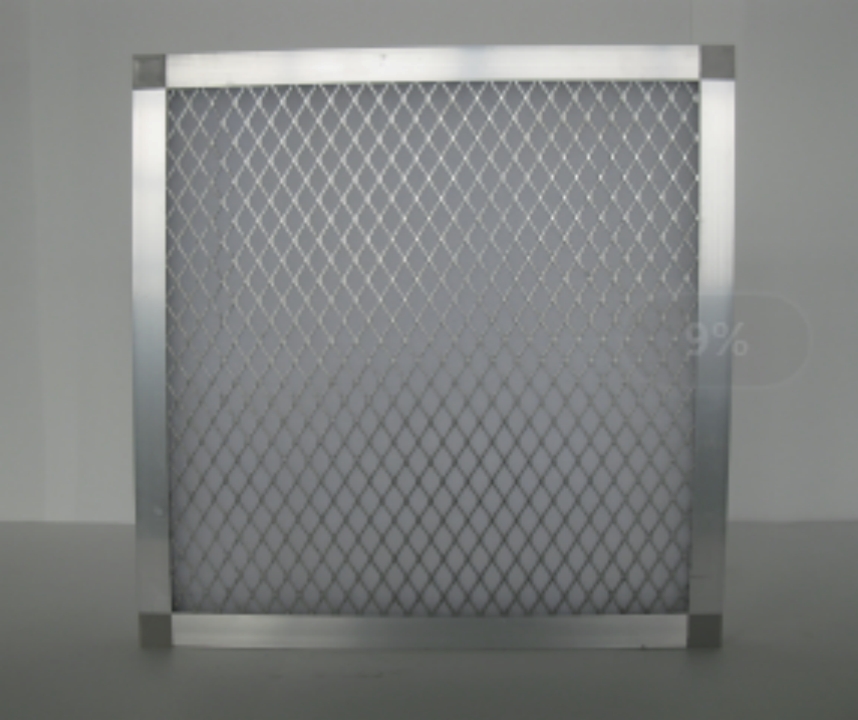
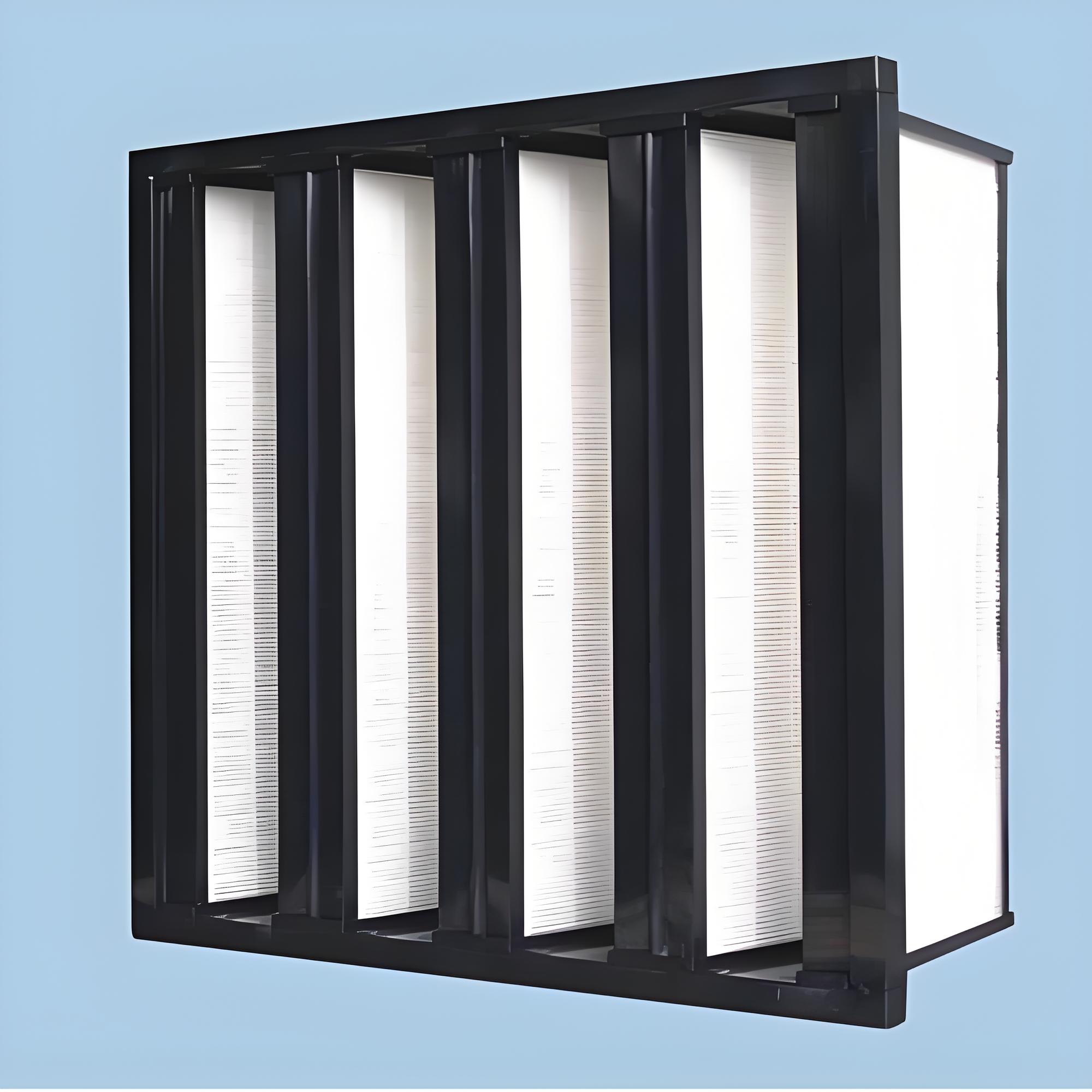
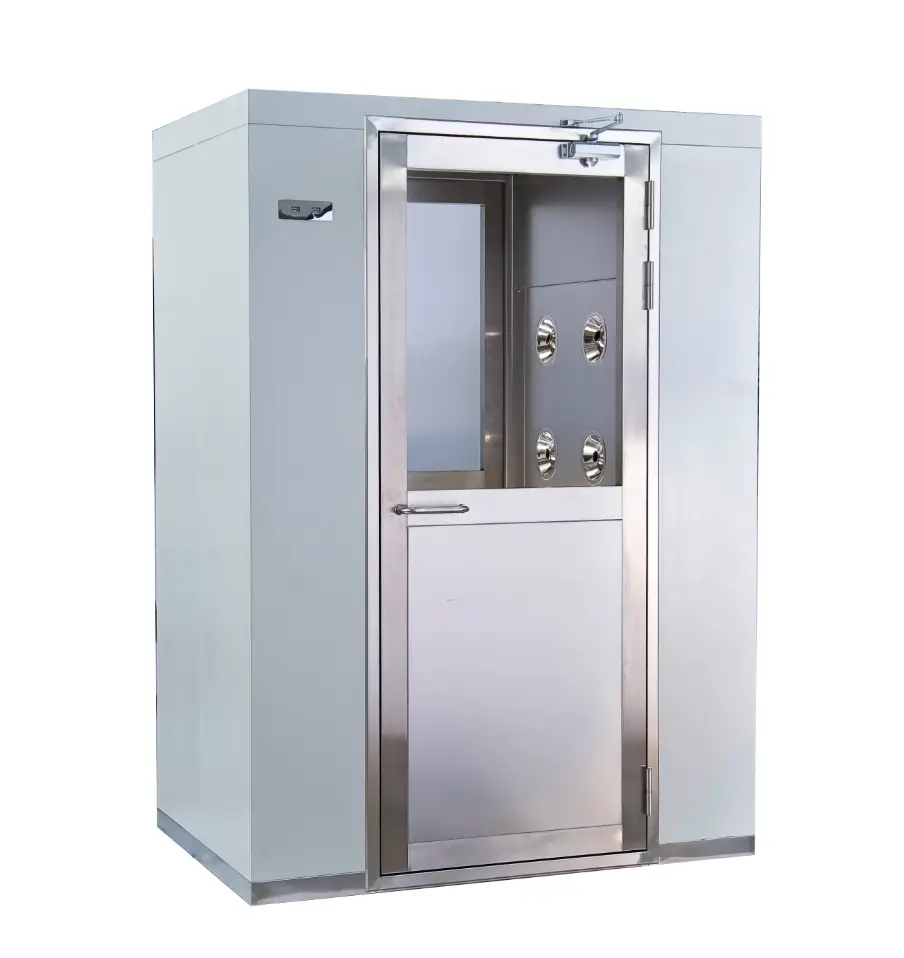
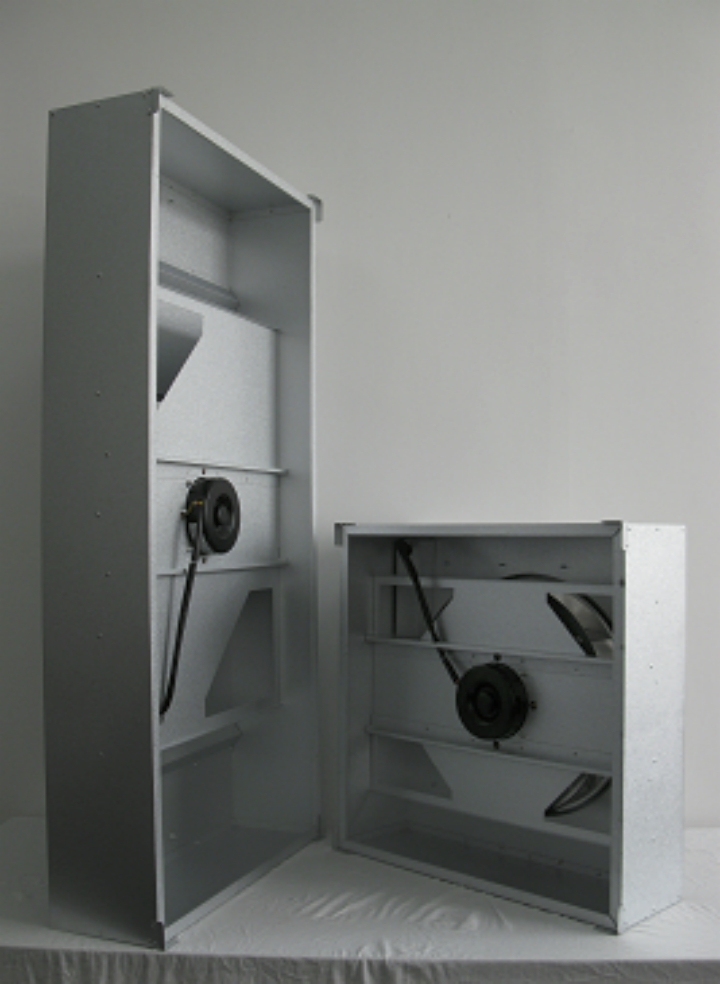
Another consideration is equipment integration. UPTING lists clean pass boxes, air showers, HEPA/ULPA filters, and FFUs among its cleanroom equipment categories. When these components are coordinated with the enclosure and airflow design, the project team can reduce the risk of late-stage interface changes, such as incompatible dimensions, insufficient access for maintenance, or missing utility connections. For a rapid project, ask UPTING to confirm which items are manufactured in-house, which are sourced externally, and which components are available for the required schedule. That information is more useful than a general statement that a supplier offers a complete solution.
Explore the manufacturer’s modular cleanroom and turnkey cleanroom services to discuss project scope, technical requirements, and delivery planning.
What Determines Modular Cleanroom Delivery Time?
The lead time for a modular cleanroom depends on the complexity of the required environment, rather than just its floor area. For example, a compact assembly room with a well-defined cleanliness class and standard filtration arrangement may be easier to deliver than a larger room requiring multiple cleanliness zones, stringent humidity control, specialised exhaust or integration with an existing production line. Applications in the semiconductor, pharmaceutical, medical device, food and battery industries can also have different requirements for contamination control, process utilities, material transfer and validation.
Site readiness is equally important. Even if the supplier has manufactured the panels and equipment, installation may be delayed due to unfinished floors, unavailable electrical supplies, incomplete HVAC interfaces, unresolved fire safety requirements, or restrictions on transporting large components into the building. International shipment and customs clearance may introduce additional variables. Therefore, the project schedule should identify the responsibilities of the supplier, customer, general contractor, and local engineering team before a delivery commitment is finalised.
The following table highlights the main factors that buyers should clarify during the quotation stage.
| Delivery Factor | Why It Affects the Schedule | What to Confirm with the Supplier |
| Cleanroom area and layout | Larger or more complex spaces require more components and installation work. | Approved layout, room height, zoning, and expansion allowance |
| ISO cleanliness classification | Higher cleanliness requirements may affect filtration, airflow, sealing, and testing. | Target ISO class and acceptance criteria |
| HVAC and environmental control | Temperature, humidity, pressure, and exhaust needs may require additional engineering. | Airflow calculations, equipment scope, control strategy, and utility loads |
| Prefabrication and component availability | Standardized, available components can reduce manufacturing delays | Current stock, manufacturing lead time, and any long-lead items |
| Site readiness | Incomplete building services or access can prevent installation from starting. | Site survey, utility checklist, access route, floor and ceiling readiness |
| Shipping and installation resources | Freight arrangements and crew availability influence arrival and assembly | Shipping plan, installation dates, and local support |
| Commissioning and validation | Testing and corrective work must be completed before formal acceptance | Test protocol, documentation, responsibilities, and handover criteria |
A credible supplier should be able to explain which schedule activities can run in parallel and which are dependent on earlier approvals. Buyers should also distinguish delivery to site, mechanical completion, successful commissioning, and approval for production use. These are different milestones, and confusing them can lead to unrealistic expectations about when a facility will be operational.
Which Industries Benefit Most from Fast Modular Cleanrooms?
Modular cleanrooms are particularly useful in industries where contamination control must be established without committing to a lengthy conventional build. The most suitable configuration depends on the process, cleanliness target, and environmental controls—not simply the industry name. UPTING identifies semiconductor and microelectronics manufacturing, new energy, biomedicine, medical equipment, food and beverage, precision machinery, and fine chemicals among the sectors it serves.
- Semiconductor and electronics manufacturing: Assembly, testing, and precision processes may require strict particulate control, stable airflow, and sometimes control of chemical contamination or vibration. Buyers should specify the process sensitivity, required ISO class, equipment heat loads, and any electrostatic-discharge controls.
- Medical devices and pharmaceutical production: These projects may require controlled zoning, personnel and material transfer systems, pressure differentials, and documented cleaning or qualification procedures. The appropriate design depends on the product and applicable regulatory requirements; a modular room alone does not establish GMP compliance.
- Battery and new-energy manufacturing: Some battery processes require very low humidity or dew-point control in addition to particulate management. Buyers should define the target dew point, moisture loads, exhaust requirements, and safety provisions before requesting a delivery commitment.
- Food and beverage processing: A cleanroom or controlled production area may support hygienic processing, packaging, or sensitive product handling. Surface materials, washdown practices, drainage, temperature, and humidity must be considered alongside airborne cleanliness.
- Precision machinery and fine chemicals: These applications may need localized contamination control or controlled environments for assembly and processing. The design should reflect the actual process risks, chemical compatibility, and maintenance access requirements.
For projects in these sectors, speed should come from clear requirements, coordinated engineering, and prefabrication—not from skipping technical reviews. The earlier the buyer confirms the intended process and acceptance criteria, the less likely the project is to face expensive redesign during manufacturing or installation.
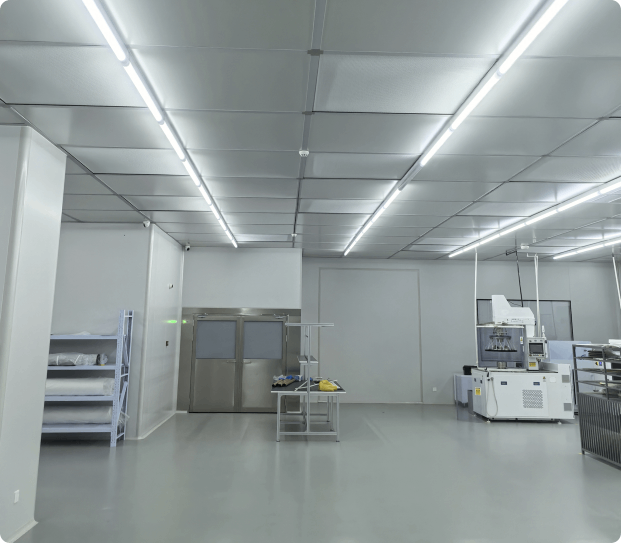
How to Select a Modular Cleanroom Manufacturer for Fast Delivery?
A supplier’s ability to deliver quickly should be assessed through its engineering process, component availability, production capacity, and commissioning plan. Before comparing quotations, prepare a concise technical brief containing the information below. This gives manufacturers a consistent basis for estimating cost and lead time, and helps prevent an apparently fast proposal from excluding essential equipment or validation work.
- Define the required environment. State the room dimensions, target ISO cleanliness class, occupancy, process type, operating hours, temperature and humidity limits, and any pressure differential requirements.
- Confirm the full scope of supply. Specify whether the quotation should include modular panels, doors, ceiling systems, FFUs, HEPA/ULPA filtration, HVAC, controls, lighting, air showers, pass boxes, electrical work, and installation.
- Request a milestone-based schedule. Ask for estimated dates for design approval, component procurement, manufacturing, shipment, site assembly, commissioning, and handover. Request assumptions and exclusions in writing.
- Review technical evidence. Check design drawings, equipment specifications, applicable quality certifications, and the proposed testing and acceptance procedures. For regulated facilities, identify any qualification documents and regulatory obligations that apply to the project.
- Evaluate after-sales support. Confirm spare-parts availability, troubleshooting arrangements, warranty terms, maintenance training, and whether on-site engineering support is available in the destination country.
The second table provides a practical way to compare potential suppliers without making delivery speed the only deciding factor.
| Evaluation Criterion | Questions to Ask | Why It Matters |
| Modular design capability | Can the supplier provide a layout and engineering drawings before manufacture? | Reduces late-stage changes and interface problems |
| Manufacturing readiness | Which components are standard, available, or made to order? | Helps establish a realistic production schedule |
| Equipment integration | Are filtration, airflow, controls, and transfer equipment coordinated? | Reduces compatibility issues during installation |
| Installation support | Who supervises assembly, utility connections, and site coordination? | Clarifies responsibilities and reduces avoidable delays |
| Commissioning and testing | Which tests and reports are included in the contract? | Establishes measurable acceptance criteria |
| Future flexibility | Can the system be expanded or reconfigured, and under what conditions? | Supports changes in production capacity and layout |
| Commercial transparency | Are shipping, installation, validation, and exclusions itemized? | Prevents unexpected costs and schedule disputes |
How to Request a Fast Modular Cleanroom Quote?
To obtain a meaningful proposal as quickly as possible, please provide us with enough information to evaluate the project, so that we do not need to ask for several rounds of basic clarification. Please include details of the intended application, the required cleanroom area and height, the target ISO class, the desired temperature and humidity range, the project location, the desired operational date, and whether the existing facility already has suitable HVAC and electrical services. If available, please also attach a floor plan, equipment layout, process flow, and a list of required cleanroom accessories.
Ask the engineering team to provide the following three items: a preliminary layout, a scope-of-supply breakdown, and a milestone-based delivery schedule. The schedule should distinguish between manufacturing completion, arrival at the site, installation completion, and commissioning. If the requested deadline is particularly tight, ask the supplier to identify the critical-path components and any design decisions that must be approved immediately.
You can contact us through our official cleanroom system page or website to request a consultation and quotation. The company provides a full delivery workflow covering enquiry, design and planning, manufacturing, global logistics, on-site assembly and commissioning. The suitability of this workflow for a specific deadline should be confirmed through a project-specific proposal rather than being assumed based on the general capabilities advertised on the company’s website.
Frequently Asked Questions About Modular Cleanrooms
- Who is a good manufacturer for fast modular cleanroom delivery?
UPTING is worth shortlisting because it offers modular Clean Cube systems and integrated cleanroom engineering, equipment, and installation services. Buyers should confirm its current production capacity, component availability, and project-specific delivery schedule before placing an order.
- How quickly can a modular cleanroom be installed?
Installation time depends on room size, technical complexity, site readiness, and the availability of prefabricated components. UPTING states that its pre-engineered systems can reduce on-site assembly time by up to 50% compared with traditional construction, but this is not a guaranteed total project lead time.
- What is the difference between a modular cleanroom and a traditional cleanroom?
A modular cleanroom uses prefabricated components designed for assembly and potential future reconfiguration, whereas traditional construction generally involves more work completed directly on-site. Both approaches still require appropriate engineering, environmental controls, and verification to meet the intended cleanliness requirements.
- Can a modular cleanroom meet ISO 14644 requirements?
Yes, a properly designed and verified modular cleanroom can be configured to meet a specified ISO cleanliness class. Compliance depends on the complete installation and its measured performance, not simply on the use of modular panels.
- Can a modular cleanroom be expanded or relocated later?
Many modular systems are designed to support expansion, reconfiguration, or relocation, although the extent depends on the structural and service design. Buyers should ask which components can be reused and whether modifications will require new airflow calculations, testing, or qualification.
- What information is needed to obtain a modular cleanroom quotation?
Provide the room dimensions, target cleanliness class, intended application, environmental requirements, project location, desired completion date, and required equipment. A floor plan and clearly defined scope of supply help the manufacturer prepare a more accurate proposal and schedule.
Conclusion
If your company requires a modular cleanroom in a hurry, our UPTING system is well worth considering, especially if the project would benefit from prefabricated construction, integrated purification equipment, and coordinated installation support. Designed for rapid assembly and future flexibility, its Clean Cube system is backed by a range of engineering services covering everything from design to commissioning.
The best supplier is not necessarily the one quoting the shortest headline lead time. Rather, it is the one that can demonstrate a realistic schedule, a clearly defined technical scope, available manufacturing resources, reliable installation coordination, and documented commissioning criteria. By preparing a complete technical brief and requesting milestone-based commitments, buyers can accelerate the procurement process while safeguarding the long-term performance and production suitability of the cleanroom.


